
When considering solar energy, understanding the differences between monocrystalline and polycrystalline panels is essential for making an informed decision for homes or businesses. The efficiency rating, average cost, and temperature coefficient of these solar panels vary significantly, affecting overall solar power production.
This guide provides a detailed breakdown of their efficiency and performance, comparing how each type harnesses sunlight. It also examines factors that influence cost and durability, including the typical life span and maintenance requirements of these photovoltaic cells.
Furthermore, the aesthetic appeal of each panel type, along with their environmental impacts, will be analyzed.
Ultimately, this comprehensive overview will assist individuals in navigating the pros and cons to determine which solar solution aligns best with their specific needs, including the consideration of solar incentives and solar financing options.
Key Takeaways:

What are Monocrystalline and Polycrystalline Panels?
Monocrystalline and polycrystalline panels represent the two primary types of solar panels utilized in solar energy systems, each characterized by distinct features and advantages. Monocrystalline panels are fabricated from a single crystal structure of silicon, resulting in higher efficiency ratings and a more aesthetically pleasing appearance. In contrast, polycrystalline panels consist of multiple silicon crystals, making them a cost-effective alternative, albeit with slightly lower performance efficiency. Understanding these distinctions is essential for homeowners and businesses contemplating solar installation options, especially when considering solar panel installation and solar panel options.
Monocrystalline panels are typically produced via the Czochralski method, which ensures a uniform and high-purity silicon structure. This production technique often results in efficiency ratings exceeding 20%, making these panels particularly suitable for installations with limited space. Conversely, polycrystalline panels are manufactured by melting silicon fragments together, yielding a more accessible yet somewhat less efficient product, generally with efficiency ratings between 15% and 17%. Both panel types generally have a typical life span exceeding 25 years, although monocrystalline panels may possess a slight advantage in longevity.
The energy production capabilities of these panels also differ, with monocrystalline panels demonstrating superior performance under low-light conditions. This characteristic contributes to advancements in solar technologies, providing solutions for diverse environments. Solar manufacturers are continually enhancing these products, leading to innovations that benefit energy-conscious consumers and businesses alike. Companies such as SunPower and Blue Raven Solar are forefront in these advancements.
Efficiency and Performance
The efficiency and performance of solar panels are critical factors that significantly influence energy production and the long-term benefits of solar energy systems. High-efficiency panels convert a greater percentage of sunlight into usable electricity, leading to enhanced energy savings and increased cost-saving potential over time. Solar cell technologies continually evolve to improve these efficiency ratings.
A thorough understanding of the performance comparison between different types of solar panels, such as monocrystalline and polycrystalline, enables consumers to make informed decisions regarding their home solar systems.
Comparison of Efficiency Levels
When evaluating the efficiency levels of solar panels, monocrystalline panels typically outperform their polycrystalline counterparts, making them particularly suitable for homeowners with limited roof space. Monocrystalline panels can achieve efficiency ratings exceeding 20%, whereas polycrystalline panels generally fall within the 15-18% range. This distinction is crucial in determining energy production and overall performance within solar energy systems.
For example, during peak sunlight hours, a monocrystalline panel can generate approximately 300 watts of power, while a polycrystalline panel may only produce around 270 watts. This difference indicates that, for the same roof area, monocrystalline technology more effectively converts sunlight into usable electricity, which is especially beneficial in urban environments where space is at a premium. Thin-film solar panels also offer another alternative for specific needs.
Additionally, monocrystalline panels are known for their longevity, often supported by 25-year warranties, which speaks to their durability and reliability in energy production over time. Ultimately, the decision between these two types of solar panels can significantly impact long-term energy costs and efficiency for any solar installation.
Cost and Durability

Understanding the cost and durability of solar panels is crucial for individuals contemplating solar installation, as these factors significantly influence the long-term financial viability of solar energy systems.
The average cost of solar panel systems can vary considerably based on the type of panels, installation quotes from solar companies, and available incentives such as the federal solar tax credit and solar credits.
Additionally, the durability of solar panels, typically reflected in their lifespan and warranty, plays a vital role in determining the return on investment for solar projects.
Factors Affecting Cost and Lifespan
Several factors influence the cost and lifespan of solar panels, including the type of solar technology, the quality of installation, and the available solar financing options. Monocrystalline panels may involve higher initial costs but generally provide longer lifespans and warranties compared to polycrystalline panels. Thin-film solar panels also present a viable alternative for specific applications. Understanding these elements enables consumers to select the most suitable solar panel systems for their energy requirements.
The quality of installation is also critical; a well-executed installation can significantly enhance the system’s overall efficiency and durability. Financing options, such as leasing arrangements or power purchase agreements, affect the total cost over time and can make solar energy more accessible to a broader range of households.
A comprehensive evaluation of these factors not only facilitates the selection of an appropriate solar system but also determines its long-term performance. When consumers are well-informed about warranties and the expected lifespans of different panel types, they are better equipped to make decisions that align with their energy objectives and financial situations.
Appearance and Aesthetics
The appearance and aesthetics of solar
panels play a significant role in influencing consumer choice, particularly among homeowners who are concerned about the visual impact of solar installations on their roofs.
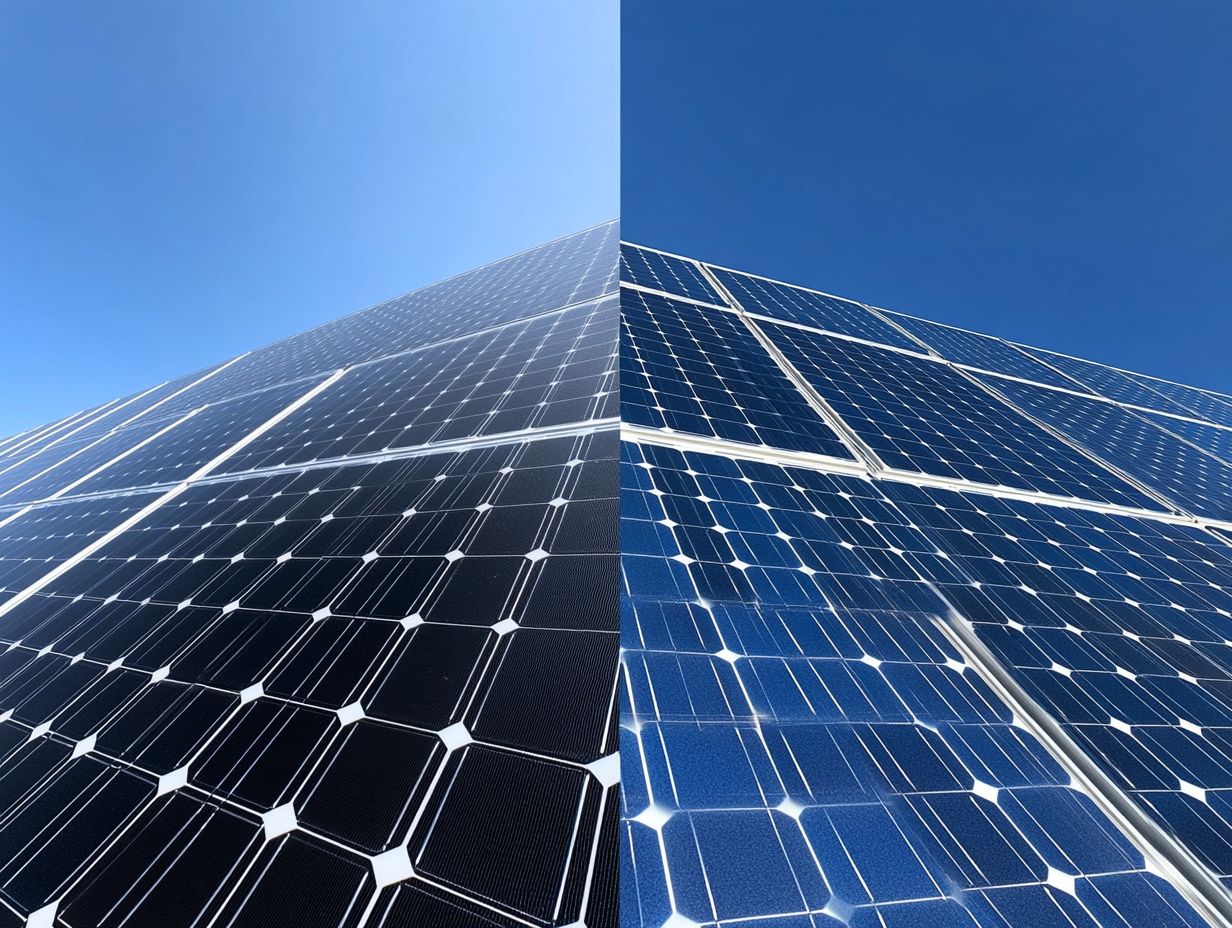
Monocrystalline panels are recognized for their sleek black appearance, which many homeowners find aesthetically pleasing. In contrast, polycrystalline panels exhibit a bluish hue due to their distinct crystal structure, which may be less appealing to certain individuals. Appearance differences among these solar panel options can influence consumer preferences significantly.
Understanding these differences in appearance is essential for making an informed decision.
Differences in Appearance and Design
The differences in appearance and design between solar panels can be significant, influencing both their visual impact and performance in solar technologies. Monocrystalline panels typically present a uniform black color and a more compact design, while polycrystalline panels exhibit a speckled bluish tint due to their multi-crystal structure. These aesthetic distinctions can affect decisions regarding solar installation, as they are often influenced by individual preferences and the specific characteristics of the roof.
For homeowners, the sleek elegance of monocrystalline options often correlates with a perception of higher efficiency and modernity, which may lead them to favor this type despite its higher upfront cost. In contrast, the distinctive mottled appearance of polycrystalline panels may appeal to those seeking a more traditional look, even though these panels are sometimes perceived as less efficient. Solar panel efficiency and energy conversion rates are crucial factors in these decisions.
This visual differentiation can also influence installation choices, as installers may recommend one type over the other based on the homeowner s style preferences and the particular characteristics of the installation site, including sunlight exposure and roof angle. These factors ultimately play a crucial role in determining energy production.
Installation and Maintenance
The installation and maintenance of solar panels are essential steps in ensuring the long-term performance and efficiency of solar energy systems. Proper installation necessitates a comprehensive understanding of roof space, local regulations, and the availability of qualified solar companies and solar companies reviews.
Regular maintenance is equally important, as it maximizes energy production and enhances overall system performance. It is imperative for consumers to familiarize themselves with the requirements and best practices to ensure the successful implementation of their solar projects, utilizing sustainable energy sources.
Process and Requirements for Installation
The process of solar panel installation encompasses several key steps, including site assessment, equipment selection, and system design, while also taking into account installation requirements such as available roof space. Homeowners are advised to collaborate with reputable solar companies to ensure compliance with local regulations and to maximize the efficiency of their solar projects.
Before proceeding with installation, a comprehensive site assessment is performed to evaluate potential shading from trees or nearby structures that may obstruct sunlight. This assessment is essential, as inadequate sunlight exposure can significantly diminish the performance of the solar power system.
Subsequently, selecting the appropriate equipment, such as inverters and battery storage, tailored to the home’s energy requirements, further enhances efficiency. Professional installers will also develop a customized system design that optimally utilizes roof space, considering factors such as orientation and tilt angles.
By engaging experienced professionals, homeowners can navigate these critical steps with confidence, ensuring a successful and compliant solar energy solution.
Environmental Impact
The environmental impact of solar energy systems is a critical consideration for consumers seeking sustainable energy solutions. By harnessing solar power, homeowners can diminish their reliance on fossil fuels, reduce carbon footprints, and enhance energy efficiency within their communities.
Recognizing the long-term benefits of solar energy is essential for fostering a cleaner and more sustainable future.
Effects on the Environment and Sustainability
Solar energy presents substantial positive impacts on the environment, fostering sustainability by decreasing reliance on fossil fuels and minimizing greenhouse gas emissions. By adopting solar power, individuals and communities can improve energy efficiency and capitalize on various solar incentives and credits offered through government programs. These long-term advantages contribute to a healthier planet and a sustainable future.
The transition to solar energy significantly reduces air pollution, as it serves as a cleaner alternative to traditional energy sources that often emit harmful pollutants into the atmosphere. Additionally, the implementation of solar panels decreases water usage, addressing another vital dimension of sustainability in energy production.
However, challenges such as land use for large solar farms and the lifecycle impacts of solar panel manufacturing must be carefully evaluated. Balancing these factors is essential for maximizing environmental benefits while ensuring the availability of resources and maintaining ecological integrity for the future.
Frequently Asked Questions

1. What are the main differences between monocrystalline and polycrystalline panels?
Monocrystalline panels are made from single silicon crystals and have a uniform dark color, while polycrystalline panels are made from multiple silicon fragments and have a more speckled appearance. Monocrystalline panels are also more efficient and expensive, while polycrystalline panels are more affordable but less efficient.
2. Which type of panel is better for residential use?
This depends on your specific needs and budget. Monocrystalline panels generally have a higher efficiency rate and are better suited for smaller roofs or areas with limited space. However, if you have a larger roof and want to save money on upfront costs, polycrystalline panels may be a better option.
3. Are there any benefits to using monocrystalline panels over polycrystalline panels?
Yes, monocrystalline panels have a higher efficiency rate, meaning they can produce more energy in a smaller amount of space. They also tend to perform better in low-light conditions and have a longer lifespan. However, these benefits come at a higher cost.
4. Can I mix monocrystalline and polycrystalline panels in my solar system?
While it is possible to mix different types of panels, it is not recommended as it can affect the overall performance and efficiency of your system. It is best to stick with one type of panel for optimal results.
5. Which type of panel is more durable?
Both monocrystalline and polycrystalline panels are made from silicon and are considered to be durable. However, monocrystalline panels are often considered to be more durable due to their single crystal structure and thicker cell material.
6. How can I determine which type of panel is right for me?
It is im
portant to consider factors such as your budget, available space, and desired efficiency when choosing between monocrystalline and polycrystalline panels. Consulting with a solar energy professional can also help you make an informed decision based on your specific needs.


