
Investing in quality solar panels can greatly influence energy needs; however, not all panels are equivalent in appearance and performance.
Understanding the quality of solar panels is crucial for maximizing investment and ensuring long-term performance. This article delves into the advantages of high-quality photovoltaic panels, the factors that dictate their quality, and the key indicators to consider when comparing brands and solar panel grades.
Additionally, it examines the balance between cost and quality, offering guidance for making an informed solar panel selection. This resource aims to equip readers with the knowledge to navigate the solar landscape confidently and enhance their home’s energy efficiency through effective solar panel installation.
Key Takeaways:

1.
- High-quality solar panels offer long-term benefits such as increased energy production, durability, and efficiency, making them a worthwhile investment.
2.
- Material and manufacturing standards, as well as efficiency and durability, are key factors to consider when assessing the quality of solar panels.
3.
- Important indicators of quality include warranty period, certification, and customer reviews. It is important to compare different brands and not just rely on price alone.
Solar Panel Quality: Why it Matters
Understanding the quality of solar panels is crucial for maximizing solar energy production and ensuring long-term performance. High-quality solar panels play a significant role in efficient power generation, contributing to reduced energy costs and an improved user experience.
Several factors must be considered when selecting solar panels, including performance parameters, material quality assessments, and certifications such as TUV and IEC standards that ensure reliability. Furthermore, various solar panel brands provide different levels of quality, which can influence overall energy efficiency and the solar monitoring capabilities within solar energy systems.
Benefits of High-Quality Solar Panels
Investing in high-quality solar panels offers numerous advantages, including enhanced energy efficiency and reliable solar power output throughout their lifespan. These panels are specifically engineered to maximize electrical energy generation, providing improved performance warranties and a reduced likelihood of defects such as micro-cracks and junction box issues that can impede energy production.
The utilization of superior materials in these panels leads to lower maintenance costs and improved performance metrics, as they are less susceptible to wear and tear. This combination not only guarantees consistent energy generation but also minimizes the necessity for frequent repairs or replacements, ultimately resulting in substantial cost savings over time. The integration of solar monitoring ensures real-time insights into energy production.
High-quality solar panels typically boast longer lifespans, assuring users that their investment will continue to deliver reliable energy output for many years. In contrast, lower-grade alternatives often fail to meet these standards, leading to subpar performance and increased long-term expenses.
Factors Affecting Solar Panel Quality
The quality of solar panels is determined by several factors, including the materials utilized in their construction and the manufacturing processes employed. High-quality photovoltaic panels are constructed from premium silicon wafers—whether monocrystalline, polycrystalline, or amorphous—that undergo stringent quality control measures.
These measures include electrical performance testing and weather resistance testing to ensure durability and efficiency. Furthermore, the integrity of the encapsulation materials like EVA (ethylene-vinyl acetate) and the junction box significantly contributes to enhancing the overall lifespan and performance characteristics of the solar panels.
Material and Manufacturing Standards
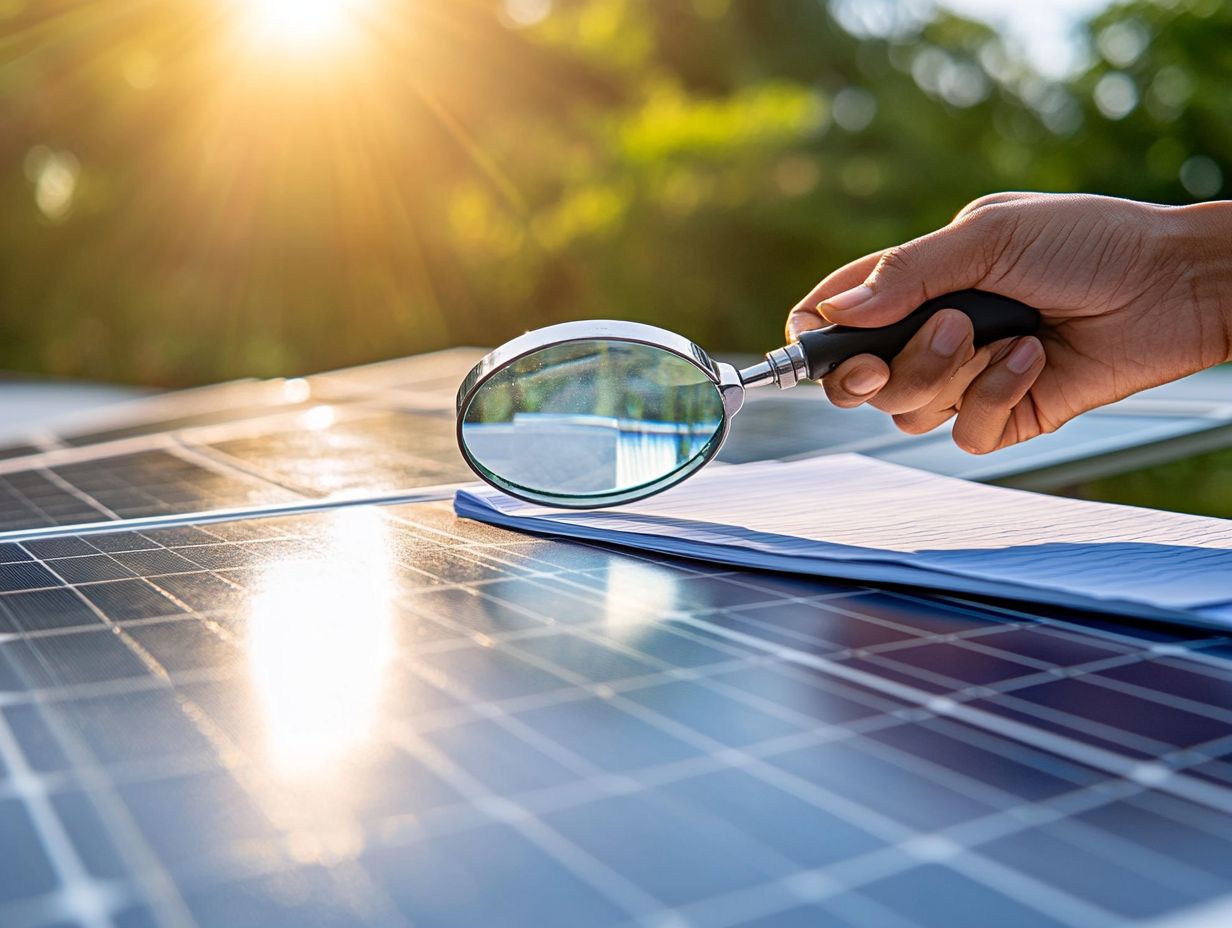
The material and manufacturing standards of solar panels play a pivotal role in determining their overall quality and durability. Solar panels constructed with high-grade silicon wafers, including monocrystalline and polycrystalline types, undergo rigorous quality control processes.
These processes encompass visual inspections and electrical performance testing to identify defects, such as micro-cracks. The incorporation of high-quality encapsulation materials, such as EVA, along with anodized aluminum frames, contributes to enhanced performance and longevity.
These components significantly impact the energy conversion efficiency and lifespan of the panels. With advancements in technology, manufacturers are increasingly adopting comprehensive testing methodologies, including thermographic inspections and electroluminescence imaging, to ensure that each solar panel meets stringent performance standards.
Standards like IEC 61215 and IEC 61730 provide essential guidelines for evaluating the mechanical and thermal durability of solar modules, ensuring their resilience against various environmental conditions. This meticulous attention to detail not only bolsters the reliability of solar energy systems but also cultivates consumer confidence in renewable energy solutions and solar panel brands.
Efficiency and Durability
The efficiency and durability of solar panels are crucial for optimal solar energy production, particularly in regions with varying local climates where solar radiation levels can fluctuate. High-quality solar panels are designed to endure environmental stresses, ensuring a longer lifespan while maintaining energy efficiency. Performance warranties provided by reputable manufacturers often indicate the reliability and durability of these panels, offering reassurance to consumers.
When assessing solar energy systems, prospective buyers should focus on performance metrics such as conversion efficiency and degradation rates, as these factors significantly impact long-term energy yield. A solar panel that combines high efficiency with strong durability not only maximizes output during peak sunlight hours but also ensures consistent performance in adverse weather conditions. Incorporating an efficient solar inverter further optimizes battery charging and solar power output.
By investing in solar panels supported by comprehensive warranties, consumers can alleviate concerns related to potential maintenance costs, ultimately enhancing their return on investment while contributing to a more sustainable energy future.
Assessing Solar Panel Quality
Assessing solar panel quality requires a thorough evaluation of multiple performance parameters and testing methodologies, including visual inspections and electrical performance testing. Implementing robust quality control measures is essential for identifying any defects in solar panels that could affect energy production and for ensuring compliance with industry standards like those set by the International Electrotechnical Commission (IEC) for reliability and efficiency.
Additionally, effective solar monitoring is crucial in maintaining optimal performance over time.
Key Indicators of Quality
Key indicators of quality in solar panels encompass performance parameters such as energy efficiency ratings, warranties, and reputable certifications like TUV and IEC, which signify reliability and durability. Quality control processes are crucial in identifying and mitigating potential defects in solar panels, thereby ensuring the long-term performance of solar energy systems and enhancing user experience.
In evaluating solar panel quality, it is also important to consider temperature coefficients, which assess how well panels perform under varying temperatures; a lower coefficient indicates superior performance in hotter climates. Additionally, the degradation rate over time, typically expressed as a percentage, offers insights into the panels’ long-term efficiency, with industry standards recommending rates below 0.5% per year for high-quality products.
Third-party testing conducted by organizations such as IEC and UL can provide further assurances regarding durability. Buyers should also take into account the level of customer support offered by manufacturers, as this can significantly influence the longevity and overall satisfaction with solar investments.
How to Compare Different Brands
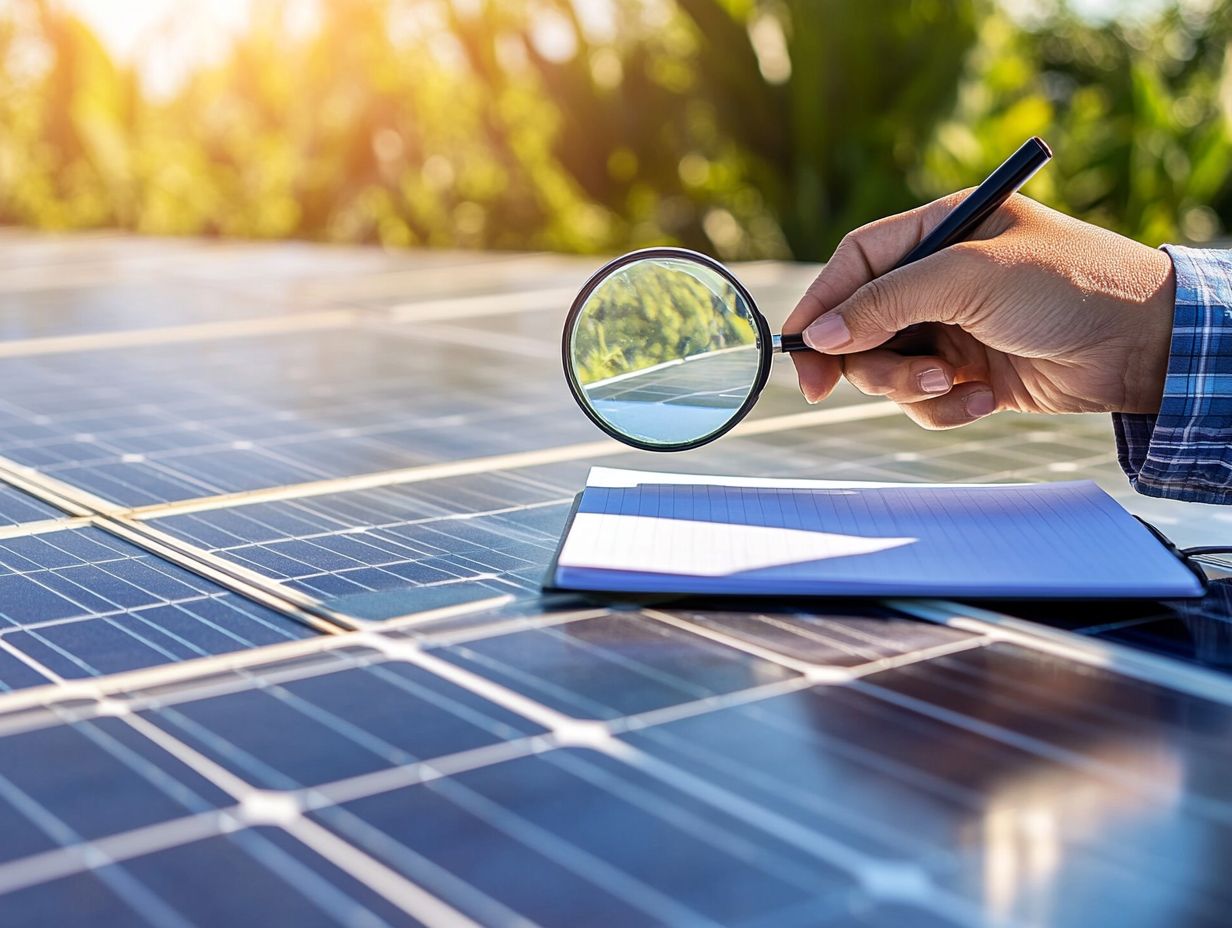
Comparing different solar panel brands involves a thorough evaluation of critical factors such as energy efficiency ratings, performance warranties, and user experiences to facilitate well-considered choices. High-quality solar panels from reputable brands typically offer superior performance and longevity, significantly influencing the overall effectiveness of solar energy systems.
Plus these fundamentals, it is essential to consider the manufacturer’s reputation and customer support services, ensuring they respond promptly to inquiries. Reviews from other users provide valuable insights into real-world performance and reliability, helping potential buyers gauge overall satisfaction levels.
Performance metrics, including degradation rates and energy output over time, play a crucial role in the decision-making process. A comprehensive comparison of these aspects enables consumers to select a brand that not only aligns with their budget but also meets their long-term energy needs.
Cost vs Quality: Finding the Right Balance
Balancing cost and quality is essential when selecting solar panels, as higher-priced models typically offer improved energy efficiency and more robust performance warranties. Incorporating companies like Tetra Inspection can ensure adherence to safety standards and certification standards for reliable installation.
Although it may be tempting to opt for a less expensive alternative, investing in high-quality photovoltaic panels can yield greater returns in energy production and prolong the system’s lifespan, ultimately rendering them more cost-effective over time.
Understanding the Price-Quality Relationship
Understanding the price-quality relationship in solar panels can guide consumers in making informed purchasing decisions that align with their energy needs. Typically, more expensive solar panels offer enhanced performance warranties and higher energy efficiency, which can lead to significant savings over the lifespan of solar energy systems.
For instance, premium solar panel brands often provide products with warranties of up to 25 years and superior performance ratings, ensuring that the panels can withstand harsh weather conditions while maximizing energy output. Conversely, budget-friendly options may attract buyers with lower upfront costs but frequently compromise on durability, resulting in higher maintenance expenses and the need for early replacements.
Selecting panels from reputable manufacturers not only ensures a better return on investment but also fosters a long-term commitment to sustainable energy solutions. This reinforces the notion that investing in quality solar panels today can lead to greater savings and benefits in the future.
Tips for Making a Smart Purchase
To make an informed purchase when selecting solar panels, it is essential to consider various factors, including energy efficiency ratings, performance warranties, and ongoing solar monitoring options. Quality solar panels are typically sourced from reputable brands that offer comprehensive support, ensuring long-term reliability and performance in solar energy systems.
Consumers should begin by conducting thorough research on different models and their respective efficiency ratings, as these directly impact energy production. Comparing the warranties provided by manufacturers is also prudent; a robust warranty often indicates a manufacturer’s confidence in the product’s durability and solar panel lifespan. Evaluating long-term performance is crucial for understanding how well the system will function over time, taking into account potential battery storage options for optimized energy use and solar panel maintenance.
By gathering insights from customer reviews and expert recommendations, consumers can significantly enhance their decision-making process, ultimately leading to a more rewarding investment in renewable energy and solar energy systems.
Frequently Asked Questions

What factors should I consider when assessing the quality of a solar panel?
When assessing solar panel quality, you should consider the panel’s efficiency, durability, warranty, certifications, manufacturer’s reputation, and potential solar panel defects.
Does a higher efficiency rating always mean better quality solar panels?
Not necessarily. While higher efficiency panels may produce more electricity, they may also be more expensive. It’s important to consider your budget and energy needs, as well as potential solar panel defects, when determining the best quality panels for your situation.
Are there any certifications or standards that I should look for when assessing solar panel quality?
Yes, there are several certifications and standards that can indicate a solar panel’s quality and performance. These include UL listing, IEC certification, TUV certification, and the California Energy Commission’s listing of approved solar modules.
What should I look for in a solar panel warranty?
A good warranty for solar panels should cover the panel’s performance, materials, and workmanship for a significant period of time. It should also have a clear and easy-to-understand process for filing a claim, and comply with certification standards.
How can I assess the durability of a solar panel?
You can assess the durability of a solar panel by researching its materials and construction, as well as checking for any industry certifications or third-party testing, including weather resistance testing. You can also ask the manufacturer about their testing methods and results.
Is it important to consider the manufacturer’s reputation when assessing the quality of a solar panel?
Yes, the manufacturer’s reputation can give you an indication of the quality and reliability of their products. Research the company’s history, customer reviews, and industry awards to get a better understanding of their reputation and their adherence to quality control.


