
As the world transitions toward sustainable energy, it is essential for homeowners and businesses to understand the different types of solar panels available, including photovoltaic panels that harness the photovoltaic effect.
With a variety of options on the market, each presenting unique features, benefits, and costs, making an informed choice can be quite daunting.
This guide examines the key factors to consider, including efficiency, environmental impact, and installation requirements.
Whether evaluating energy needs or budget constraints, readers will find the insights necessary to select the ideal solar solution, considering crucial factors such as installation costs and performance abilities.
Key Takeaways:
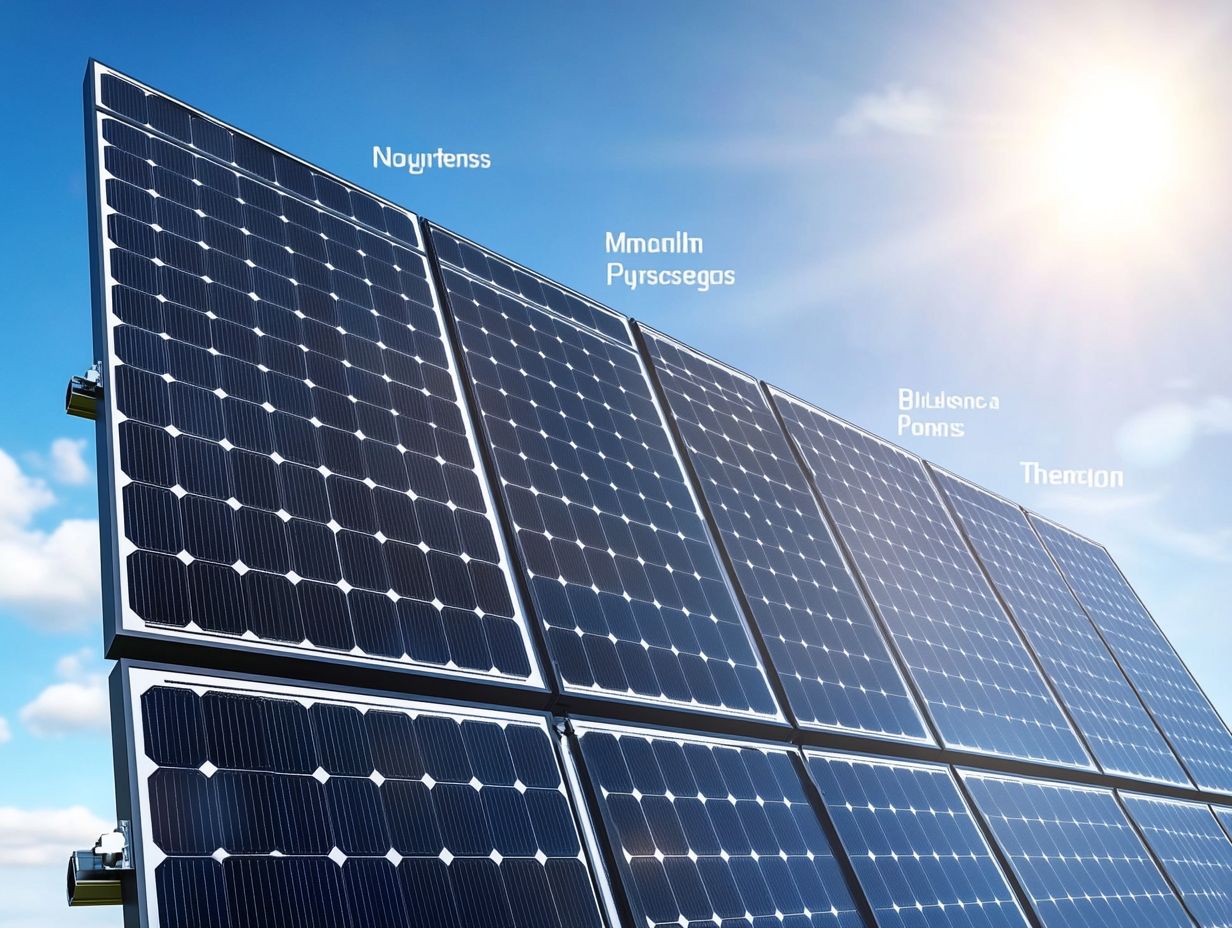
Understanding Solar Panel Types
Understanding the various types of solar panels is essential for making informed decisions regarding solar energy solutions tailored to specific energy needs. The primary categories include:
- Monocrystalline panels, recognized for their high efficiency ratings;
- Polycrystalline panels, valued for their budget-friendly nature;
- Thin-film panels, often selected for their lightweight and flexible characteristics.
Each type possesses distinct features, advantages, and suitability for different applications. Therefore, a thorough analysis of their performance capabilities, manufacturing processes, and temperature coefficient is crucial in determining the most appropriate option for solar projects. Additionally, understanding how to choose a solar panel installer can greatly enhance the effectiveness of your solar investment.
Overview of Different Types of Solar Panels
The overview of different types of solar panels presents their diverse characteristics and applications within contemporary solar technology, including monocrystalline, polycrystalline, and thin-film panels.
Among the most notable options are monocrystalline panels, recognized for their high efficiency and sleek design, making them particularly suitable for residential applications where space is limited. In contrast, polycrystalline panels, which consist of multiple silicon crystals, tend to be more budget-friendly but typically offer slightly lower efficiency ratings. If you’re interested in learning how to plan a solar panel project, it’s essential to consider the benefits of both types.
Thin-film panels provide flexibility and lightweight designs, making them ideal for unconventional installations and portable energy solutions. Each type of solar panel has its own set of advantages and limitations, addressing varying energy needs and installation scenarios, thereby enabling consumers to make informed choices based on their preferences and budget.
Factors to Consider When Choosing a Solar Panel: Efficiency, Cost, and More
When selecting solar panels, several factors play a critical role in the decision-making process. These include cost, efficiency ratings, installation expenses, environmental impact, and customer review scores.
Each of these elements can significantly influence the choices made by individuals or organizations considering solar energy solutions.
Efficiency and Cost
Efficiency and cost are two crucial factors that individuals must consider when evaluating solar panels for their energy needs, as they significantly impact long-term savings and investment.
Higher efficiency ratings typically indicate that a solar panel converts a greater amount of sunlight into usable energy, which can lead to reduced electricity bills over time. However, these more efficient models often come with a higher upfront cost.
Conversely, budget-friendly options may exhibit lower efficiency, potentially resulting in increased long-term maintenance expenses or extending the timeframe required to achieve a favorable return on investment, which is an important consideration for both residential and commercial installations.
Therefore, it is essential for consumers to evaluate their specific energy requirements and local climate conditions, as these factors will influence the optimal choice for maximizing the benefits of renewable energy.
Environmental Impact and Sustainability
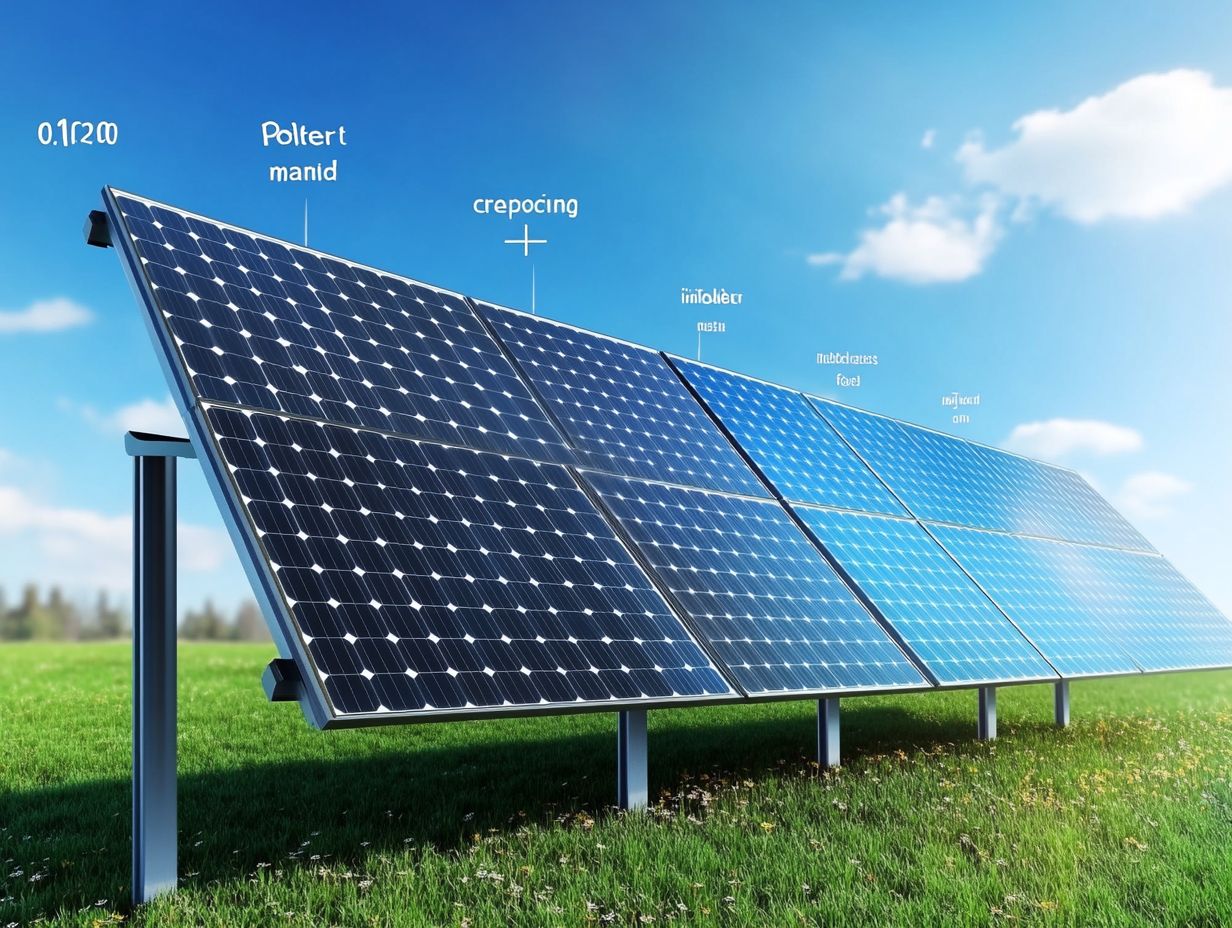
The environmental impact of solar panels is a crucial consideration, as selecting eco-friendly options supports a sustainable approach to energy consumption. This decision not only reduces dependence on fossil fuels but also minimizes greenhouse gas emissions, providing direct benefits to the planet.
Various types of solar panels, such as monocrystalline and thin-film, each present distinct advantages regarding efficiency and material usage. Monocrystalline variants typically offer higher efficiency and longer lifespans; however, their production processes may require more energy. In contrast, thin-film panels can be manufactured with less energy and material, though this often comes at the cost of some efficiency. To maximize your solar setup, learn how to choose the right solar inverter for your home.
Assessing these trade-offs is vital for homeowners and businesses seeking to align their energy choices with environmentally responsible practices, ultimately contributing to a more sustainable future. Events like Empower 2024 frequently discuss the latest advancements in eco-friendly solar technology.
Installation and Maintenance: Key Considerations
Installation and maintenance are critical aspects of adopting solar technology, significantly influencing both the upfront investment and long-term performance capabilities of solar panels.
Understanding the installation process necessitates not only the selection of the appropriate type of solar panel but also consideration of factors such as roof structure and orientation, which ultimately impact energy output. To ensure you find reliable help, check out this guide on how to find local solar installation services. Costs can vary widely based on the materials selected monocrystalline, polycrystalline, or thin-film each presenting different efficiencies and price points.
Ongoing maintenance, including regular cleaning and inspections, is essential for optimizing performance and ensuring user satisfaction. Neglecting these maintenance tasks can lead to red
uced energy generation and potential damage over time.
By carefully weighing these factors, potential users can make informed decisions that align with their financial objectives while maximizing their long-term investment in solar energy.
Monocrystalline Solar Panels: Efficiency and Innovation
Monocrystalline solar panels are recognized for their exceptional efficiency ratings, establishing them as a preferred option for residential solar installations. Their high performance and reliance on crystalline silicon make them a foundational component in advancements within the renewable energy sector.
Features and Benefits
The features and benefits of monocrystalline panels arise from their high efficiency ratings and exceptional performance capabilities, making them suitable for a variety of solar energy applications.
These panels are particularly noteworthy for their space efficiency, enabling users to harness more energy in confined areas compared to other types. Their durability is another significant advantage, as they are engineered to withstand harsh weather conditions and possess longer lifespans.
The advanced production methods involved, which often include high-purity silicon and innovative cell designs, further contribute to their overall effectiveness. Consequently, the use of monocrystalline panels can significantly enhance solar projects, providing a reliable and high-performance energy solution for both residential and commercial settings.
Polycrystalline Solar Panels: Cost-Effective Solutions
Polycrystalline solar panels are recognized for their cost-effectiveness and reasonable efficiency ratings, making them an appealing choice for individuals and organizations seeking budget-friendly renewable energy solutions.
Features and Benefits
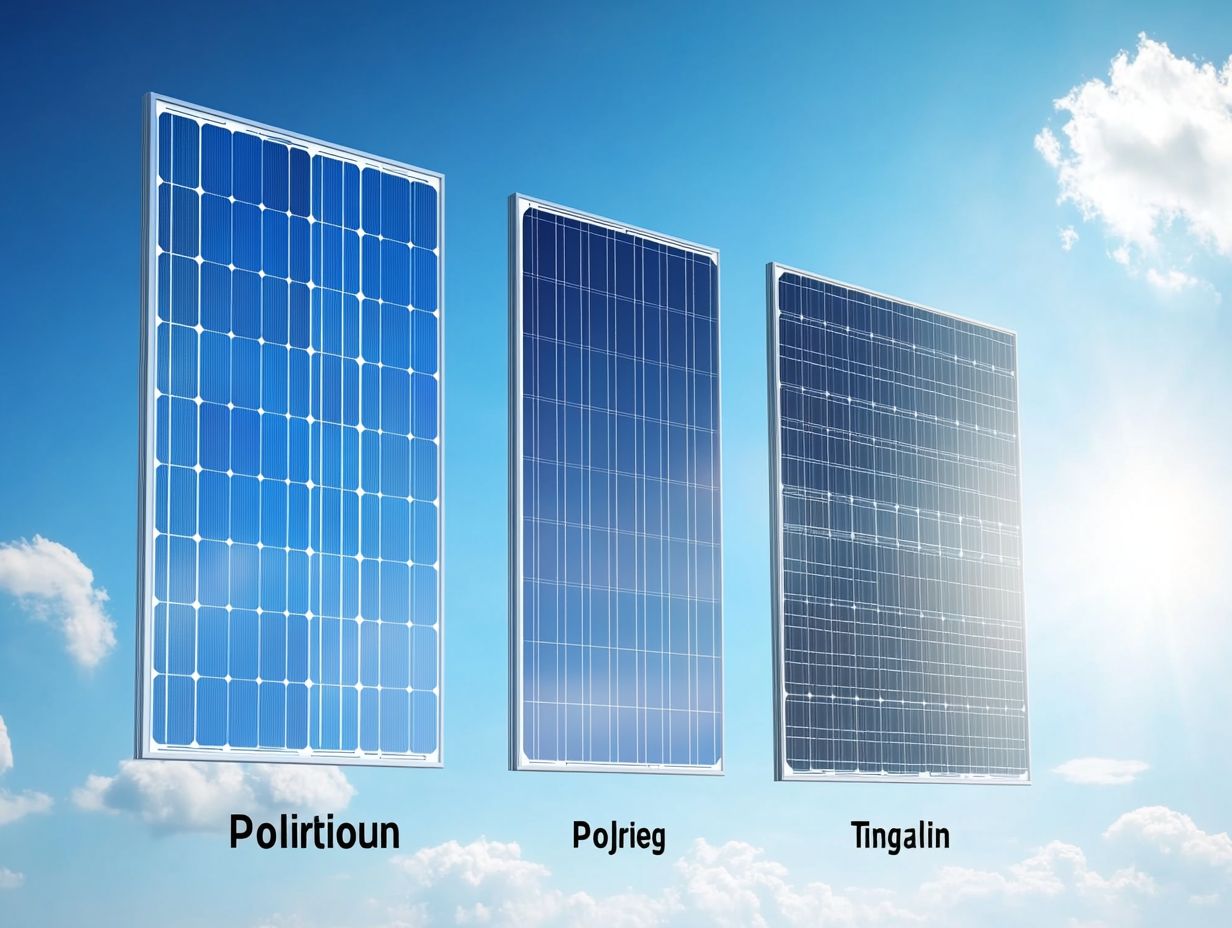
The features and benefits of polycrystalline panels position them as a viable option for addressing energy requirements while emphasizing advancements in solar technology.
These panels are budget-friendly and demonstrate impressive efficiency across a wide range of temperatures, ensuring reliable performance in both hot summer conditions and cooler climates. Their sleek design, often characterized by a blue hue, allows them to seamlessly work together with various architectural styles, enhancing both aesthetic appeal and functionality.
Polycrystalline panels play a significant role in a variety of solar projects, from residential rooftops to larger commercial installations, showcasing their adaptability and effectiveness in harnessing solar energy for sustainable power solutions. They are often highlighted in publications like Solar Today Magazine and are recommended by experts from institutions such as the Lawrence Berkeley National Laboratory.
Thin Film Solar Panels: Versatile and Lightweight
Thin-film solar panels possess distinctive characteristics, including lightweight and flexible designs, which render them a compelling option for specific applications within the renewable energy sector. Companies like BougeRV often utilize thin-film panels for portable energy solutions.
Features and Benefits
The features and benefits of thin-film panels underscore their cost-effectiveness and adaptability, positioning them as suitable options for a variety of solar energy applications.
These panels are particularly noteworthy for their performance in low-light conditions, allowing them to effectively capture sunlight even on cloudy days or during early morning and late evening hours. This unique characteristic ensures that energy production remains efficient across different environments, thereby maximizing output.
The installation process for thin-film technology is both straightforward and flexible, facilitating easy integration into diverse building architectures. This simplicity not only reduces labor costs but also promotes widespread adoption, further reinforcing their role in the evolving solar market. These technologies are supported by the Solar Investment Tax Credit, encouraging sustainable solar projects.
Choosing the Right Solar Panel for Your Needs
Selecting the appropriate solar panel for one’s needs requires a thorough assessment of energy requirements, budget constraints, and an understanding of the performance abilities associated with different types of solar panels, such as monocrystalline panels and polycrystalline panels.
Assessing Your Energy Needs
Assessing energy needs is a fundamental step in selecting the appropriate solar panels, as it directly influences the power capacity, installation costs, and efficiency ratings involved.
Understanding daily electricity consumption is essential; it enables individuals to determine the amount of energy required from their solar setup. This evaluation typically involves reviewing past utility bills to identify average usage patterns, which can vary significantly based on household size, appliances, and overall lifestyle choices. Considering photovoltaic panels and their temperature coefficient can also factor into making a sustainable decision.
Once this baseline is established, prospective solar panel owners can make informed decisions regarding whether to choose monocrystalline, polycrystalline, or thin-film panels, each of which offers different efficiencies and costs. Tailoring this choice not only enhances energy output but also ensures that the investment aligns with long-term energy goals and environmental considerations, such as using eco-friendly and renewable energy sources. For those interested in the process, understanding what to expect during solar panel installation can be invaluable.
Considering Your Budget and Location
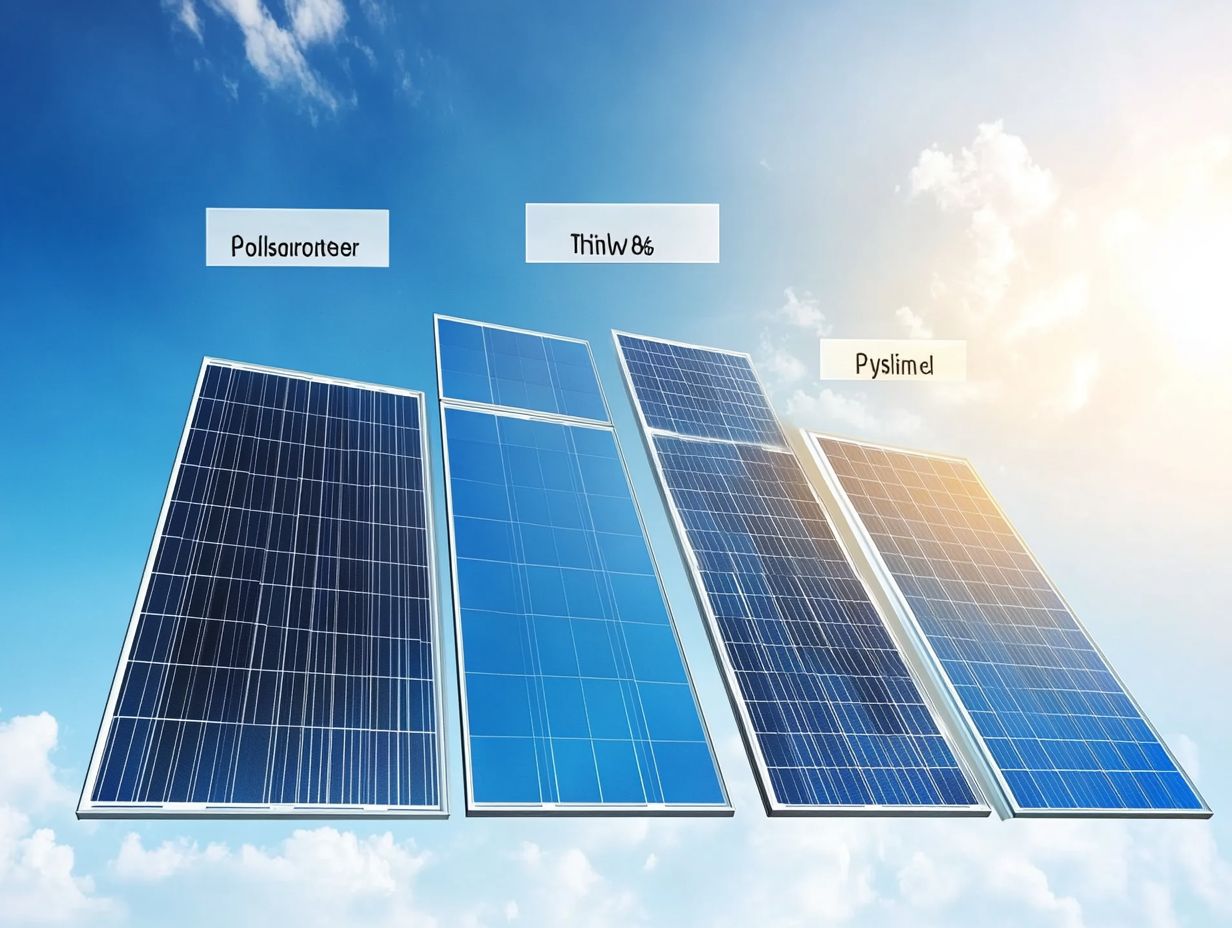
Considering budget and location is critical when selecting solar panels, as these factors significantly influence installation costs and the available solar technology options, such as amorphous silicon and cadmium telluride panels.
A well-planned budget not only determines which solar panel brands and systems are feasible but also affects the potential return on investment over time. Additionally, geographical location plays a crucial role in the effectiveness of different types of panels, which can include copper indium gallium selenide technology. For those considering installation, a step-by-step guide to solar panel installation can be incredibly helpful.
For example, areas with abundant sunlight may benefit from high-efficiency panels, while regions with frequent cloud cover might require alternative setups to optimize solar energy production.
By understanding both budgetary constraints and local climate conditions, individuals can make informed decisions that lead to enhanced energy savings, sustainability benefits, and leverage federal support programs for residential solar in the long term.
Frequently Asked Questions
What are the different types of solar panels available?
There are three main ty
pes of solar panels: monocrystalline, polycrystalline, and thin-film. Each type has its own unique characteristics and benefits. Understanding the manufacturing process and solar cell technology behind each can aid in making a more energy-efficient choice.
How do I determine which type of solar panel is best for my home?
The best type of solar panel for your home depends on several factors, such as your budget, location, and energy needs. It’s important to research and compare the different options available, including customer feedback from sources like Catherine Lane and SolarReviews, to find the right fit for your specific situation.
What is the difference between monocrystalline and polycrystalline solar panels?
Monocrystalline panels are made from a single, high-grade crystalline silicon crystal, while polycrystalline panels are made from multiple fragments of silicon. This results in monocrystalline panels being more efficient, but also more expensive, often reflected in their customer review scores.
Are thin-film solar panels a good choice for residential use?
Thin-film panels are typically less expensive and more flexible than traditional panels, but they also have a lower efficiency rate. They may be a good choice for certain residential applications, such as in areas with limited roof space or for off-grid systems, and can be seen discussed in publications like Solar Today Magazine and BougeRV.
What is the lifespan of different types of solar panels?
On average, monocrystalline and polycrystalline panels have a lifespan of 25-30 years, while thin-film panels have a lifespan of 20-25 years. However, the actual lifespan can vary depending on the quality of the panels and the maintenance and care taken. Research by organizations like the Lawrence Berkeley National Laboratory and initiatives like Empower 2024 provide insights into longevity and advancements.
Can I mix and match different types of solar panels on my system?
It’s generally not recommended to mix different types of solar panels on a system because they have different electrical characteristics. This can result in uneven energy production and potentially cause damage to the panels. It’s best to stick with one type of panel for your system, considering advances like PERC technology for enhanced synergy.


