
Information
The Solar Information Hub: Everything You Need to Know
Thinking about going solar but not sure where to start?
This Solar Information Hub answers the most common questions Australians ask when considering solar power from panel types to rebates and long-term savings.
Whether you’re researching your options or just getting familiar with how solar works, this guide is designed to give you clarity without the jargon.
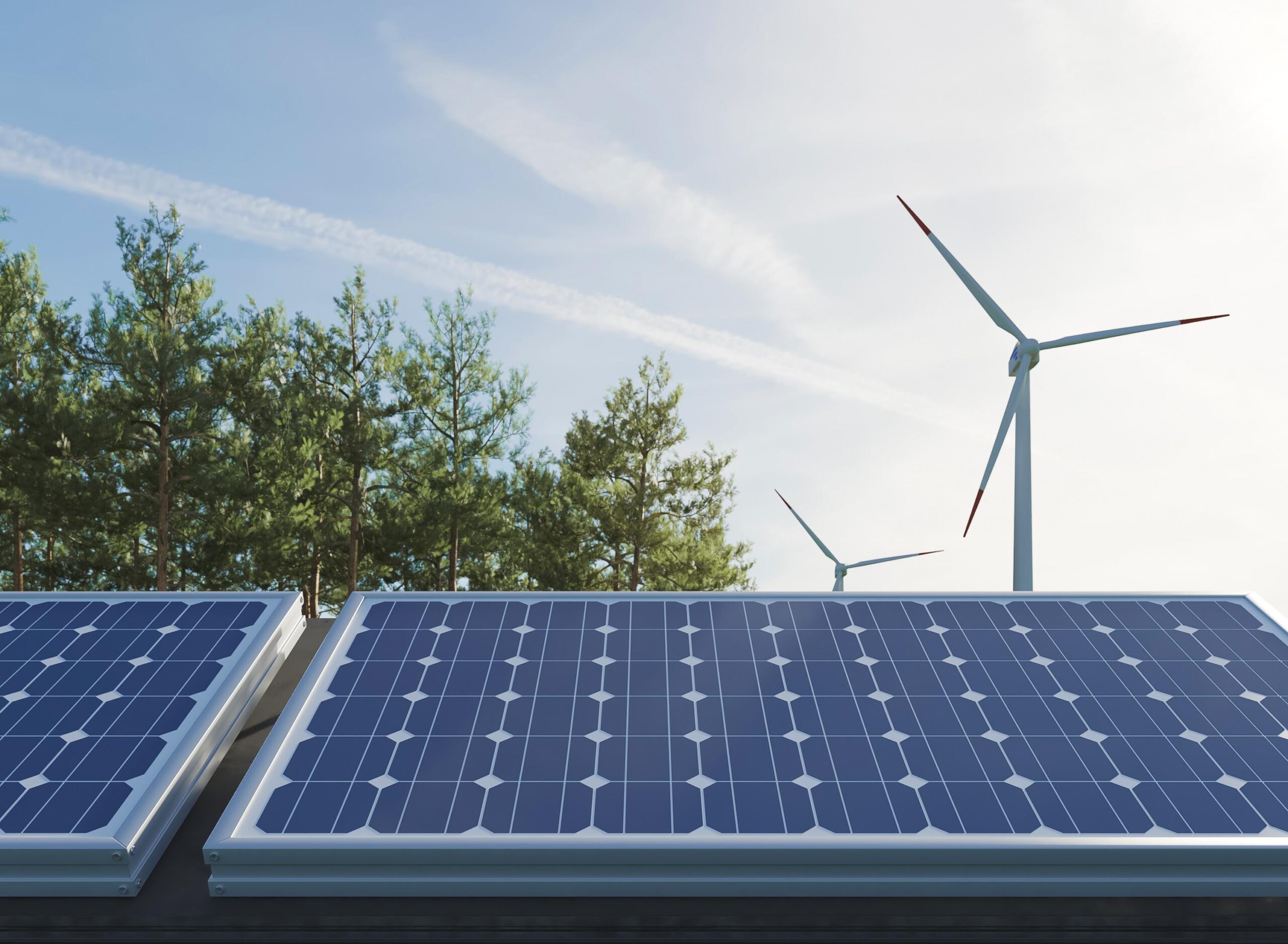
Panel Types
Solar panels convert sunlight into electricity for your home or business. While there are different technologies available, most systems installed across Australia fall into a few common categories.
Monocrystalline Panels
These panels are known for their high efficiency and sleek appearance. They tend to perform well in limited roof space and are a popular choice for residential systems.
Polycrystalline Panels
A more budget-friendly option, polycrystalline panels offer reliable performance and are commonly used where roof space is less of a constraint.
Thin-Film Panels
Thin-film panels are lightweight and flexible, often used for specialised installations rather than standard residential rooftops. Each panel type has its pros and cons, and the right option depends on your energy needs, roof space, and budget.
How Does Solar Power Work?
Solar panels capture sunlight and convert it into direct current (DC) electricity.
An inverter then converts this into alternating current (AC), which powers your home or business.
Any excess energy can either:
• Be sent back to the grid (earning credits through feed-in tariffs), or
• Be stored in a battery system for later use.
Inverters: What Do They Do?
Inverters are a critical part of any solar system. They manage how electricity flows between your panels, home, battery (if installed), and the grid.
Common inverter options include:
• String inverters – cost-effective and widely used
• Microinverters – attached to individual panels for improved performance
• Hybrid inverters – designed to support battery storage
Choosing the right inverter helps maximise system efficiency and long-term reliability.

Inverters: What Do They Do?
Solar batteries store excess energy generated during the day so you can use it at night or during power outages.
While batteries increase upfront costs, they can:
• Reduce reliance on the grid
• Improve energy independence
• Provide backup power during blackouts
Battery technology continues to improve, and many homeowners choose to add batteries later.
How Much Can Solar Save You?
Savings depend on several factors, including:
• System size
• Electricity usage patterns
• Energy retailer rates
• Feed-in tariffs
For many Australian households, solar can significantly reduce electricity bills over time, especially when systems are sized correctly.
Solar Rebates in Australia
Australia offers solar incentives designed to make renewable energy more accessible.
Federal Solar Rebates
Most systems are eligible for federal incentives that reduce upfront installation costs. These are typically applied as a point-of-sale discount and vary based on system size and location.
State-Based Incentives
Some states and territories offer additional rebates, interest-free loans, or battery incentives. Availability and eligibility differ by region and may change over time.
Feed-In Tariffs
When your system exports unused electricity to the grid, you may receive credits on your power bill, depending on your energy provider and plan.
Rebate structures and eligibility requirements can change, so it’s always best to confirm current options during the quoting process.
Is Solar Right for You?
Solar may be a good fit if you:
• Use electricity during daylight hours
• Want to reduce long-term energy costs
• Have suitable roof space and sun exposure
• Are planning to stay in your property for several years
A tailored assessment helps determine whether solar aligns with your energy goals.
Final Thoughts
Solar power is a long-term investment that can deliver financial and environmental benefits when designed correctly. Understanding the basics like panels, inverters, batteries, and rebates makes it easier to make informed decisions. This hub is here to help you start that journey with confidence.
Solar Information Hub
Everything you need to know about going solar
- Panel types
- Top brands
- Efficiency ratings
- Panel comparison
- Warranty guide
- Inverter types
- String vs Micro
- Efficiency ratings
- Top brands
- Sizing guide
- Smart inverters
- Batteries
- Storage capacity
- Top brands
- Cost comparison
- Battery lifespan