
As renewable energy continues to gain traction, solar inverters play a crucial role in solar panel installation by converting sunlight into usable electricity for residential and commercial applications.
Whether one is contemplating a DIY solar panels approach or choosing professional installation, a thorough understanding of solar inverters is essential for maximizing solar panel efficiency.
This article will discuss the advantages and disadvantages of each installation method, outline the necessary tools and steps for a DIY setup, and highlight the benefits of hiring a professional installer.
By the conclusion, readers will be well-equipped to make informed decisions regarding their solar energy needs and energy independence.
Key Takeaways:

What is a Solar Inverter?
A solar inverter is a critical component of a solar energy system, performing the essential role of converting direct current (DC) generated by solar panels into alternating current (AC) for use in electrical systems within homes and businesses. This device is vital for maximizing the efficiency of solar panels and ensuring the effective utilization of renewable energy produced through the photovoltaic effect, thus contributing to environmental benefits and reducing carbon emissions.
There are several types of solar inverters available, including string inverters, microinverters, and power optimizers, each tailored to meet different installation requirements and energy production strategies.
For example, microinverters function on a panel-by-panel basis, optimizing energy output even when some panels may be shaded or underperforming. This capability can significantly enhance overall energy savings, making microinverters a popular choice for residential installations.
In contrast, string inverters tend to be more cost-effective for larger systems, although they may result in energy losses if any section of the string is shaded. Understanding the functions and advantages of these various inverters can greatly influence the efficiency of solar power systems and their overall effectiveness in reducing electricity bills.
DIY Solar Inverter Installation
DIY solar inverter installation presents an effective opportunity for homeowners to gain control over their energy systems while realizing substantial cost savings. However, it necessitates meticulous planning and a thorough understanding of the installation process to fully optimize the advantages of a solar energy system and ensure its sustainability as a renewable energy project.
Pros and Cons
When homeowners consider a DIY solar inverter installation, it is essential to evaluate the pros and cons. While they stand to gain cost savings, they may encounter significant installation challenges that professional installers are equipped to handle due to their technical expertise and understanding of local regulations.
Embarking on a DIY project often results in lower upfront costs, enabling homeowners to allocate their budgets more freely toward other components of their energy systems. This approach also allows for customization of the setup according to individual energy needs and preferences.
However, the appeal of saving money and personalizing a system comes with potential pitfalls. Safety concerns may arise, particularly in the absence of proper training in handling electrical components, which could pose serious risks.
Furthermore, opting for a DIY installation might jeopardize warranty coverage, ultimately undermining long-term benefits. This is especially pertinent when considering the future energy savings and reduced energy consumption associated with professionally installed solar systems, which are designed to ensure optimal performance and reliability.
Professional Solar Inverter Installation
Choosing professional solar inverter installation provides homeowners with numerous advantages, including expert technical guidance, warranty coverage for solar panel components, and the assurance that the installation complies with local regulations and building codes.
This approach not only enhances the system’s performance but also contributes to its longevity.
Benefits and Costs
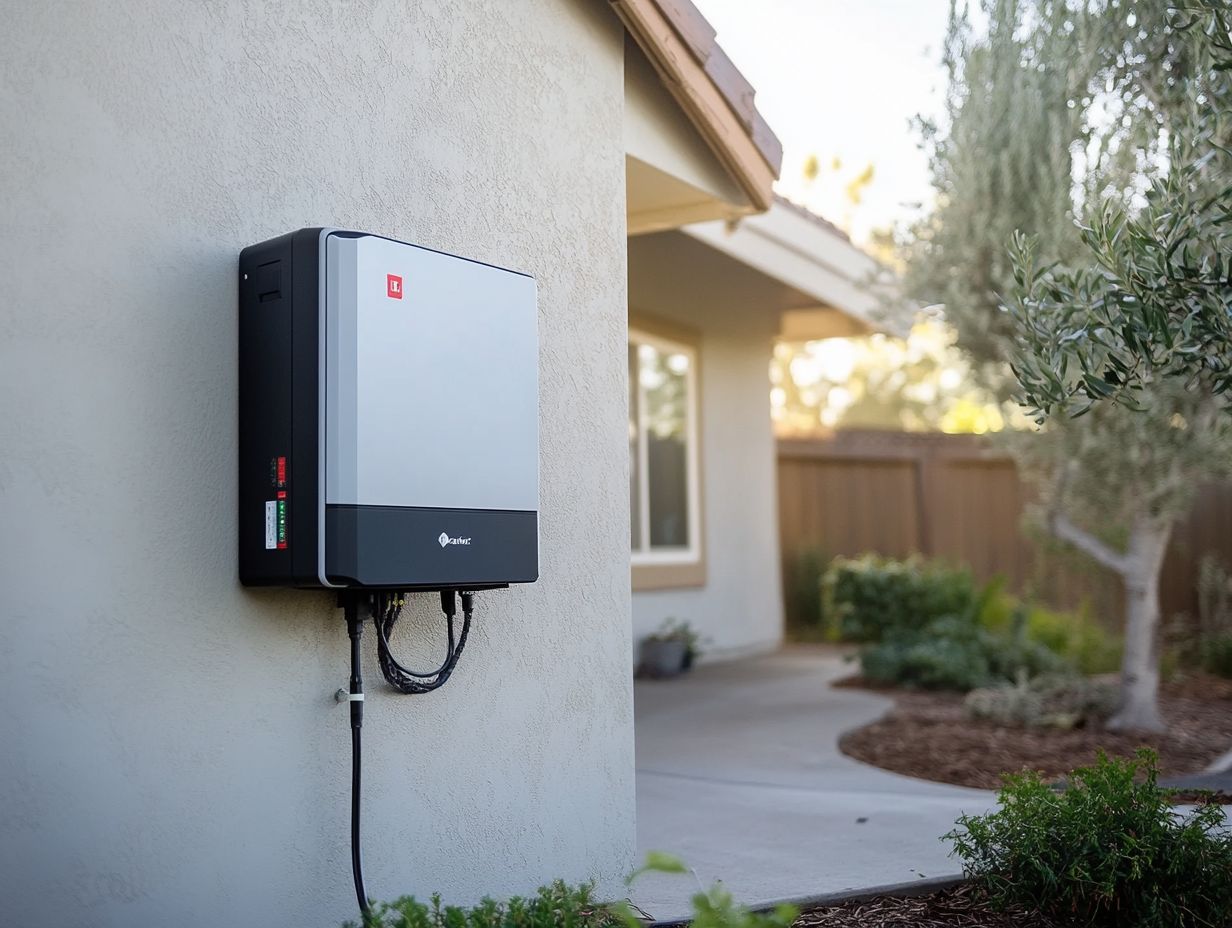
The advantages of professional installation frequently surpass the initial costs associated with it. Such installations deliver enhanced efficiency, comprehensive warranty coverage, and ongoing maintenance support, all of which can significantly contribute to long-term energy savings.
Investing in professional services may entail upfront expenses that seem considerable; however, these costs are often mitigated by the subsequent reduction in energy consumption over time. A proficient installation team not only guarantees that systems function at their optimal capacity but also assists in maximizing available rebates and tax incentives, which can further lessen the initial financial outlay. Professional installers also ensure compliance with building codes and maintenance requirements, enhancing the system’s longevity.
Most professional installations are accompanied by robust warranties that cover potential repairs, providing peace of mind and minimizing unexpected expenses. Additionally, regular maintenance, typically included in service agreements, ensures that systems operate efficiently, extending their lifespan and resulting in improved long-term savings on energy bills.
Factors to Consider Before Choosing Installation Method
Before making a decision between DIY solar panels and professional installation, homeowners should thoroughly evaluate their skills and budget while also considering local regulations and building codes. This careful assessment is essential to ensure a successful solar energy project that aligns with their needs and expectations, contributing to a sustainable energy future.
Assessing Your Skills and Budget
Assessing skills and budget is essential when considering solar inverter installation, as it helps determine whether a DIY approach is feasible or if professional assistance is necessary for a successful solar project and to ensure the solar power system meets all safety standards.
Evaluating technical expertise involves not only an understanding of electrical systems but also the practical experience to handle installation challenges that may arise during the project. For individuals familiar with handyman tasks, undertaking a DIY solar installation may seem manageable; however, it is crucial to recognize potential pitfalls that could compromise system efficiency.
Financial resources also play a significant role in this decision-making process, as solar projects can entail hidden costs, such as permits, equipment, and unforeseen repairs. Thoroughly assessing these factors can pave the way for a streamlined solar setup and ultimately contribute to the long-term success of harnessing renewable energy.
Steps for DIY Solar Inverter Setup
To successfully complete a DIY solar inverter setup, homeowners should adhere to a structured installation process. This process involves gathering the necessary materials and tools, understanding the configuration of their solar panel kits, and following safety protocols throughout each step.
Materials and Tools Needed
In a DIY solar inverter installation, gathering the appropriate materials and tools is essential. This includes solar panel components, wiring, and safety gear to ensure a successful setup that complies with local regulations and building codes, as well as obtaining necessary installation permits.
The primary materials consist of solar panels that capture sunlight, an inverter that converts the stored energy into usable electricity, and batteries for energy storage, enabling usage during non-sunny periods. High-quality wiring is critical for efficiently and safely connecting all components. Additionally, safety gear, such as gloves and goggles, protects individuals during the installation process.
Having the necessary installation paperwork ready, including permits and guidelines from local authorities, is crucial for ensuring compliance with zoning laws and safety standards. This thorough preparation establishes a solid foundation for a smooth and legally compliant DIY solar project.
Step-by-Step Instructions
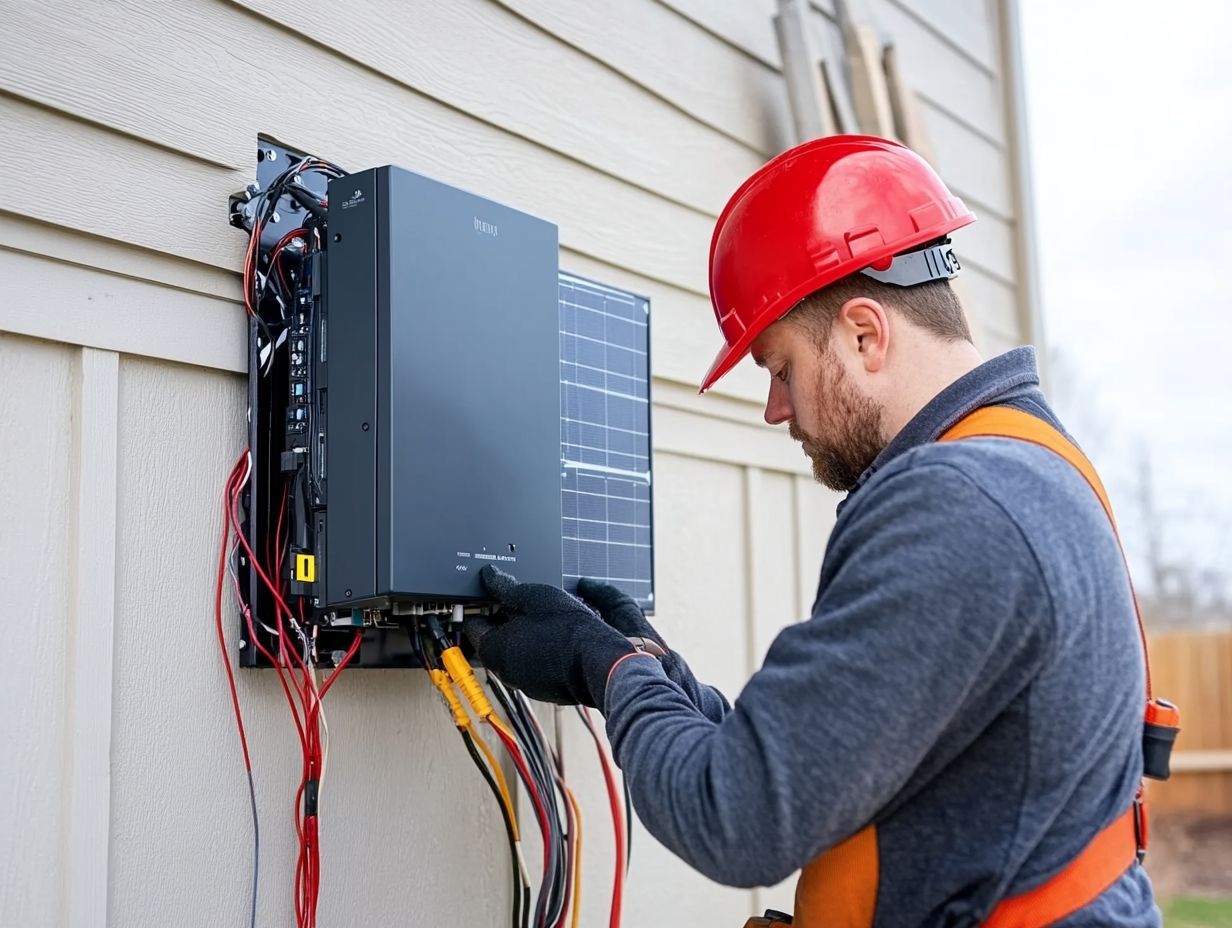
The step-by-step instructions for a DIY solar inverter setup guide homeowners through the necessary stages, from connecting the solar panel components to configuring the system for optimal energy production. Each phase of the installation is critical for ensuring smooth operation and maximizing efficiency in the solar power systems.
Homeowners will start by gathering all required materials, which typically include:
- solar panels
- inverters
- batteries
- wiring kits
Next, it is essential to verify local regulations and obtain any necessary permits to ensure compliance with all safety measures. Following this, installing the solar panels at the optimal angle and position will enhance sunlight exposure, which is crucial for maximizing energy collection.
Conducting thorough system checks, such as monitoring voltage levels and testing connections, will ensure that the DIY solar setup operates efficiently and safely, contributing to long-term energy savings and reduced environmental impact.
Benefits of Hiring a Professional Installer
Engaging a professional installer for solar inverters guarantees access to the necessary technical expertise for a successful installation. This approach not only provides valuable warranty coverage that protects the investment but also addresses ongoing maintenance requirements, which can significantly enhance the longevity of the solar energy system and improve solar panel efficiency.
Expertise and Warranty
The technical expertise provided by professional installers is invaluable, as they ensure that solar energy systems are set up for maximum efficiency, adhering to local regulations and installation permits. With warranty coverage, homeowners can feel secure in their investment for years to come.
This specialized knowledge not only optimizes energy production by tailoring the installation to a home’s specific layout and environmental conditions but also addresses potential pitfalls that could lead to underperformance. Homeowners frequently overlook the complexity of solar panel systems, making reliance on professionals a critical factor in enhancing performance longevity and minimizing carbon emissions.
Robust warranty coverage serves as a safety net, reassuring homeowners that, in the event of unforeseen issues, they will not face substantial repair costs. This allows them to enjoy the long-term benefits of renewable energy, such as reduced carbon footprint and energy savings, without the constant worry of maintenance expenses.
Which Option is Best for You?
Determining whether a DIY installation or hiring a professional installer is the best choice depends on various personal circumstances, including the individual’s comfort level with technical tasks, budget considerations, and the complexity of the solar energy project.
Homeowners should thoughtfully assess their skills and past experiences with similar installations, as these factors can significantly impact the final result. For example, an individual with a strong background in construction or electrical work may find a DIY approach both fulfilling and cost-effective. Conversely, those lacking experience may encounter challenges that could lead to improper installations, potentially undermining the anticipated benefits of energy independence and sustainable energy.
Budget considerations are also crucial; while professional installation may appear to be a substantial upfront expense, it often guarantees long-term savings and optimal performance of solar solutions. Evaluating all these elements can assist homeowners in making the most informed decision in their solar energy adoption.
Frequently Asked Questions
Can I install a solar inverter myself or is it better to hire a professional?
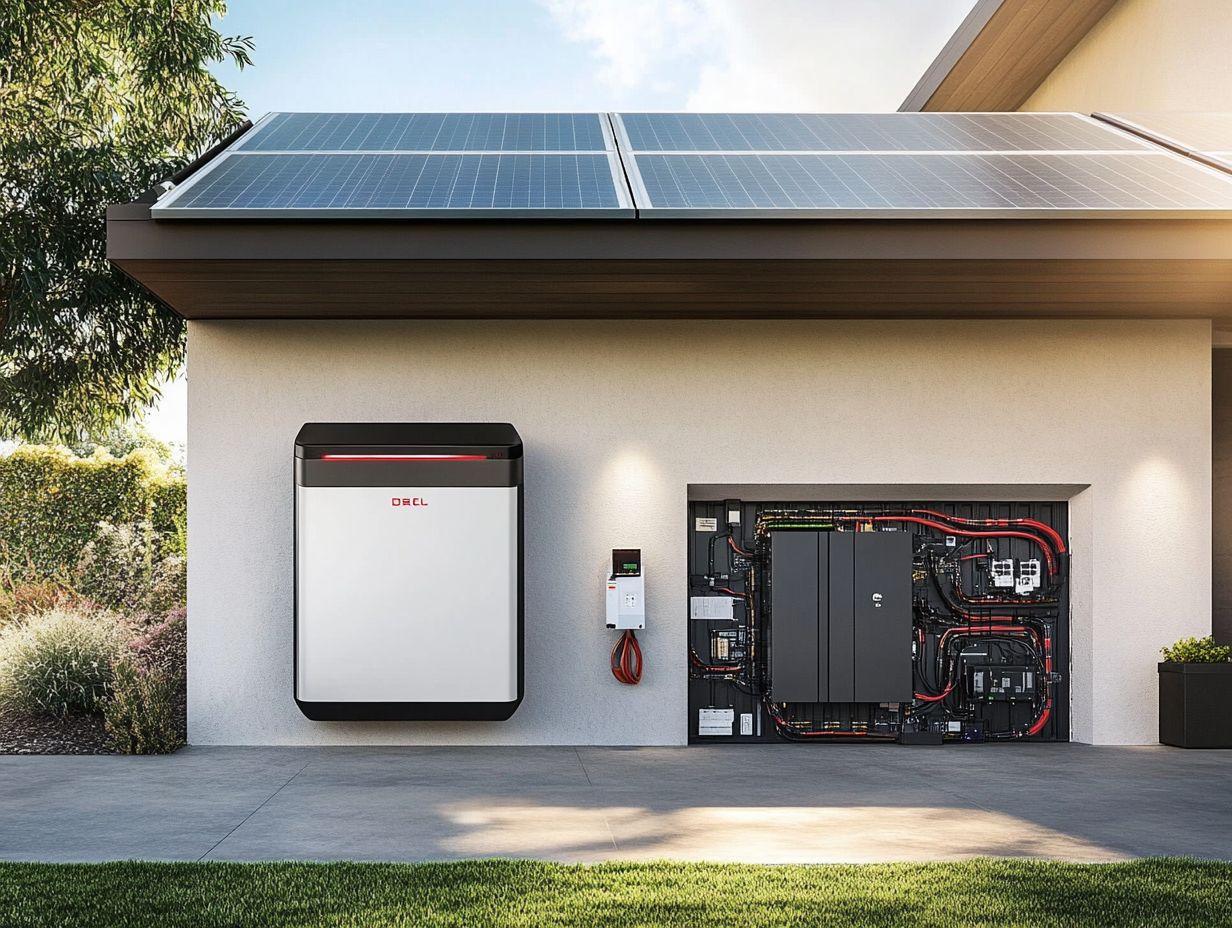
It is possible to install a solar inverter on your own, particularly with DIY solar panels or solar panel kits, but it is highly recommended to hire a professional for safety and optimal function of the system.
What are the benefits of hiring a professional for solar inverter installation?
Professional installation ensures that the inverter is set up correctly and safely, and that it will work efficiently for maximum energy savings, reducing installation challenges and installation costs.
What skills or knowledge do I need to have to install a solar inverter myself?
Installing a solar inverter requires knowledge of electrical systems and safety protocols, as well as experience with handling and connecting high voltage equipment.
Is DIY solar inverter installation more cost-effective than hiring a professional?
While DIY installation may seem cheaper initially, mistakes or improper setup can end up costing more in the long run, particularly affecting solar power systems. It is often worth the investment to hire a professional for proper installation.
Are there any risks associated with DIY solar inverter installation?
Yes, DIY installation of a solar inverter can be dangerous if proper precautions are not taken. It is important to follow all safety guidelines, understand system configuration, and have a thorough understanding of the equipment before attempting installation.
Can a DIY solar inverter setup affect the warranty or performance of the system?
Yes, if a DIY installation causes damage to the inverter or other components of the solar system, it may void the warranty and lead to suboptimal performance. It is best to have a professional handle the installation to ensure proper functioning and protection of the warranty, especially considering solar panel components and installation paperwork.


