
In an era increasingly centered on sustainable energy, solar panels have emerged as a significant contributor to harnessing solar power, driving solar industry growth and market trends.
With a range of solar panel types available, selecting the appropriate one tailored to specific needs can be challenging. This article delineates the various types of solar panels—including monocrystalline, polycrystalline, thin-film, and bifacial options—while addressing critical factors such as efficiency, cost, and environmental considerations.
Furthermore, installation and maintenance tips are provided to ensure optimal performance of solar systems.
Key Takeaways:
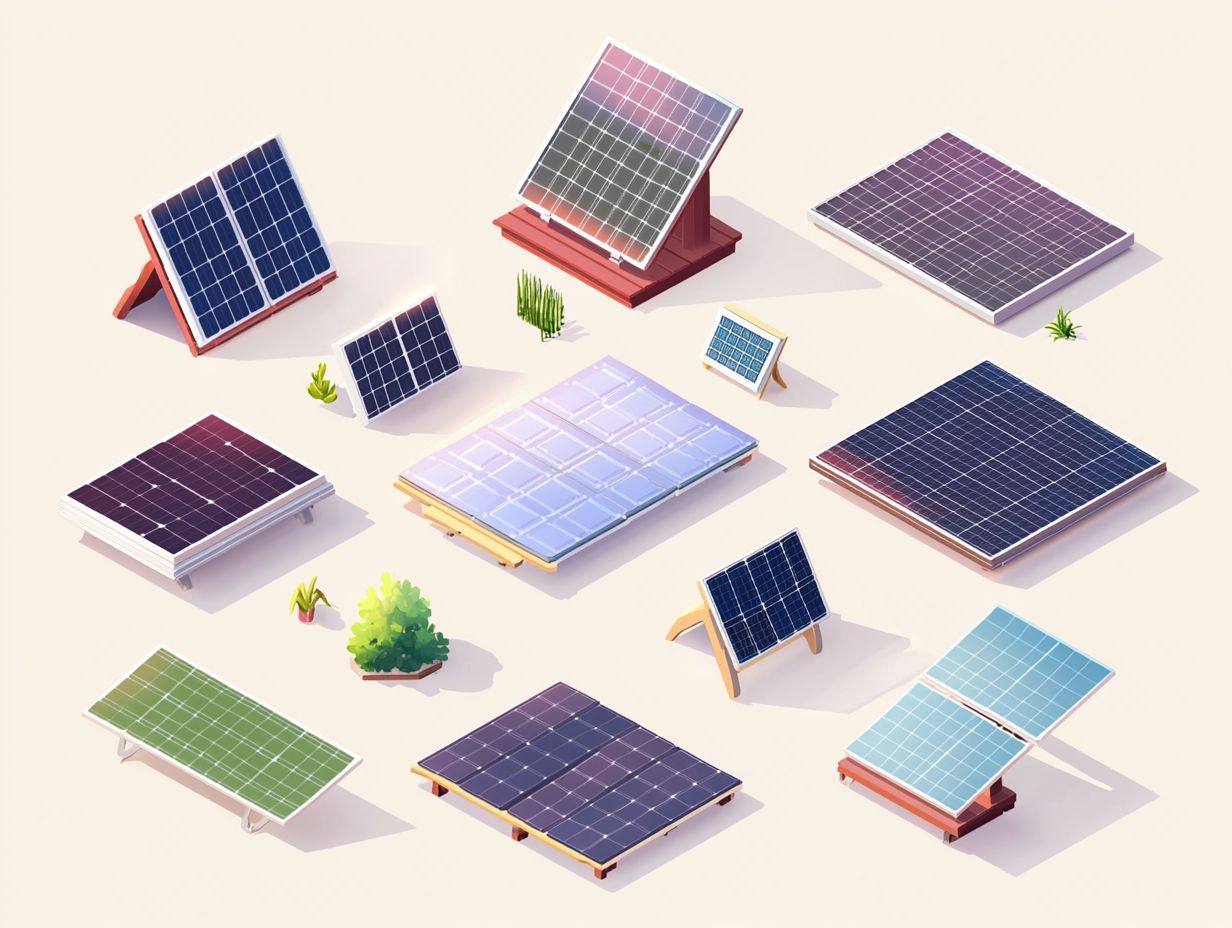
What are Solar Panels?
Solar panels are devices that convert sunlight into electricity via the photovoltaic effect, effectively harnessing solar energy to offer renewable energy solutions for both residential and commercial applications.
Composed of multiple solar cells made from silicon and other materials, these panels are engineered to produce power efficiently while decreasing energy costs and reliance on fossil fuels.
With continuous advancements in solar technology, the solar industry is experiencing significant growth, propelled by rising commercial and industrial demand for sustainable energy sources.
|||
What are Solar Panels?
Solar panels are devices that convert sunlight into electricity via the photovoltaic effect, effectively harnessing solar energy to offer renewable energy solutions for both residential and commercial applications.
Composed of multiple solar cells made from silicon and other materials, these panels are engineered to produce power efficiently while decreasing energy costs and reliance on fossil fuels.
With continuous advancements in solar technology, the solar industry is experiencing significant growth, propelled by rising commercial and industrial demand for sustainable energy sources, supported by federal initiatives like the Solar Investment Tax Credit.
Solar panels are devices that convert sunlight into electricity via the photovoltaic effect, effectively harnessing solar energy to offer renewable energy solutions for both residential and commercial applications.
Composed of multiple solar cells made from silicon and other materials, these panels are engineered to produce power efficiently while decreasing energy costs and reliance on fossil fuels.
With continuous advancements in solar technology, the solar industry is experiencing significant growth, propelled by rising commercial and industrial demand for sustainable energy sources.
Types of Solar Panels
There are several types of solar panels available in the market, each possessing unique characteristics and efficiency ratings tailored to different energy needs. These include:
- Monocrystalline panels – recognized for their high efficiency and aesthetic appeal.
- Polycrystalline panels – provide a cost-effective solution with slightly lower efficiency.
- PERC panels – offering enhanced efficiency over standard crystalline solar panels.
- Thin-film panels – lightweight and flexible, making them suitable for a variety of applications.
Monocrystalline Solar Panels
Monocrystalline solar panels are well-regarded for their high efficiency ratings and elegant design, making them a preferred option for homeowners and businesses aiming to optimize their solar energy utilization. Constructed from high-purity silicon, these panels can achieve efficiency rates exceeding 20%, enabling superior energy generation in limited spaces compared to other panel types.
This remarkable efficiency results in increased power output per square foot, which is especially beneficial for rooftops where space is limited. Monocrystalline panels typically have a longer lifespan and are accompanied by robust performance warranties, often lasting over 25 years, thus ensuring long-term reliability.
In contrast to polycrystalline panels, which may exhibit slightly lower efficiency and space effectiveness, monocrystalline options are highly suitable for both residential and commercial applications. Their streamlined profile not only enhances aesthetics but also appeals to environmentally conscious consumers who seek both functionality and visual appeal in their energy solutions.
Polycrystalline Solar Panels
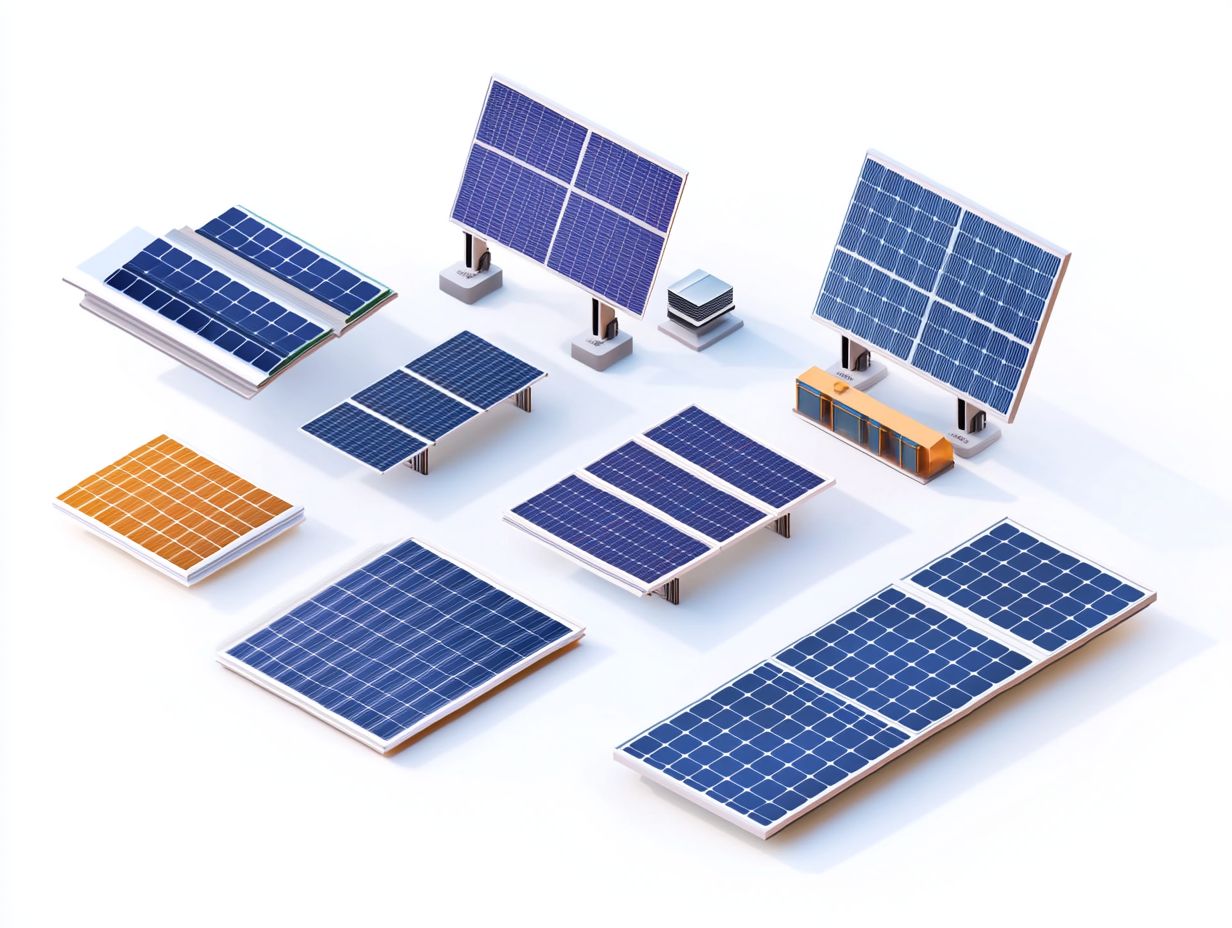
Polycrystalline solar panels are a widely utilized option within the solar industry, recognized for their affordability and respectable efficiency, making them a compelling choice for various renewable energy applications. These panels are produced by melting multiple silicon crystals, which results in lower production costs compared to monocrystalline panels, while still delivering significant energy savings over their operational lifespan.
During the manufacturing process, a mixture of silicon is poured into a mold to create a block, which is then sliced into individual cells. These panels demonstrate commendable performance across diverse climates, effectively managing moderate temperatures. However, they may experience reduced efficiency in extreme heat due to their temperature coefficients.
When evaluating performance alongside thin-film and monocrystalline alternatives, polycrystalline panels typically provide a balanced trade-off between cost and efficiency. This makes them a practical option for consumers who are budget-conscious and interested in investing in solar energy.
Thin-Film Solar Panels
Thin-film solar panels present a versatile alternative to traditional crystalline panels, distinguished by their lightweight structure and flexible design, which facilitate a variety of installation options. Constructed from materials such as Cadmium Telluride (CdTe), Copper Indium Gallium Selenide (CIGS), and Amorphous Silicon (a-Si), these panels are well-suited for space-constrained environments and have demonstrated favorable performance in high-temperature conditions.
Each of these materials offers distinct advantages. For example, CdTe is recognized for its low production costs and high efficiency in warm climates, making it particularly suitable for large-scale solar farms. CIGS panels are noted for impressive efficiency rates, often exceeding 20% for specific applications, while their flexibility supports integration into building materials. In contrast, Amorphous Silicon excels in low-light conditions, rendering it ideal for residential rooftops.
In terms of installation, thin-film systems generally present lower upfront costs; however, they may require more space to achieve an equivalent energy output compared to their crystalline counterparts. These panels perform effectively under a range of environmental challenges, receiving favorable ratings against fire, hurricanes, and hail, thereby ensuring peace of mind for both homeowners and commercial users.
Bifacial Solar Panels
Bifacial solar panels represent a significant advancement in solar panel technology, engineered to capture sunlight from both sides, thereby maximizing energy generation and enhancing overall efficiency ratings. The innovative design employs advanced solar cell technology, enabling these panels to harness reflected light from the ground, which contributes to their increasing popularity in large-scale solar projects.
This double-sided capability not only boosts energy production but also allows these panels to perform effectively in various environments, including snowy, sandy, and reflective surfaces. When compared to traditional monofacial panels, bifacial options provide greater energy outputs, particularly in open fields where light can be reflected from surrounding surfaces.
These panels offer the versatility to be installed in a range of settings, from rooftops to utility-scale farms, ultimately reducing reliance on fossil fuels. Their adaptability to different climates and terrains reinforces their growing significance in the renewable energy sector, driving further advancements in sustainable technology.
Factors to Consider When Choosing a Solar Panel
Selecting the appropriate solar panel requires a thorough evaluation of several critical factors, including efficiency ratings, installation costs, location, and climate conditions to maximize solar energy utilization.
Important considerations include the temperature coefficient of the panels, which influences performance under different temperature conditions, as well as the availability of performance warranties that ensure the longevity and reliability of the solar technology employed.
Efficiency and Cost
The efficiency of solar panels serves as a vital metric that directly impacts the average cost per watt and overall energy generation expenses, ultimately determining the return on investment for consumers. While higher efficiency panels may incur greater upfront production costs, they can lead to significant long-term energy savings when compared to lower-efficiency alternatives, especially with the support of incentives like the Solar Investment Tax Credit.
In evaluating solar panels, it is essential to consider the various types available, including monocrystalline, polycrystalline, and thin-film options. Monocrystalline panels typically exhibit the highest efficiency ratings, often exceeding 20%, which justifies their higher initial price in many instances. Conversely, polycrystalline panels may offer slightly lower efficiency but are produced at a reduced cost, making them an attractive option for budget-conscious buyers.
Thin-film panels provide an even more economical choice; however, they generally lag in efficiency, necessitating more surface area to achieve comparable energy levels. As a result, the relationship between efficiency and cost remains a critical factor in guiding consumer decision-making.
Location and Climate
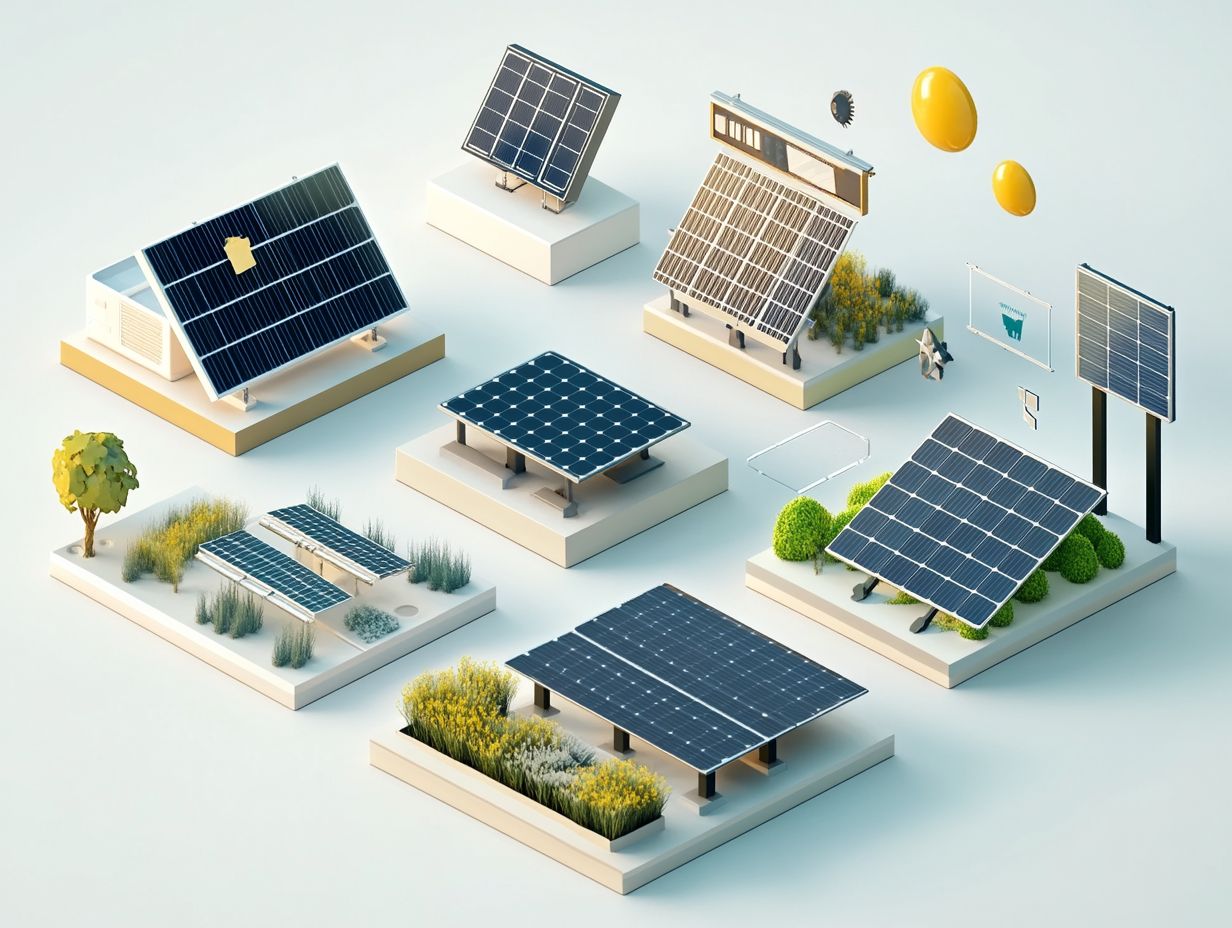
The location and climate in which solar panels are installed significantly influence their performance and efficiency, as various environmental factors can affect energy generation. Understanding the temperature coefficient of solar panels is essential, as it provides consumers with insights into how their panels will perform under different weather conditions, thereby guiding their choice of solar technology.
In regions with higher temperatures, for example, solar panels with lower temperature coefficients may be necessary to optimize energy output. Conversely, areas that experience frequent snow or rain may benefit from durable technologies specifically designed to endure such conditions.
Coastal regions, which often contend with salty air and high humidity, may require corrosion-resistant materials to ensure the longevity of the solar panels. Additionally, the angle and orientation of the panels can be adjusted according to geographical latitude, maximizing sunlight capture throughout the year.
As renewable energy solutions continue to evolve, it is essential to consider the specific needs of each area to enhance solar efficiency and achieve sustainability goals.
Personal Preferences
Personal preferences play a significant role in the selection of solar panels, as consumers evaluate their priorities concerning aesthetics, performance warranties, and the reputation of various solar panel brands. Factors such as the type of solar panel—monocrystalline, polycrystalline, or thin-film—can influence both visual appeal and overall energy production.
Consumers may be inclined toward specific brands based on past experiences or recommendations, adding another dimension to their decision-making process. Aesthetics frequently emerge as a crucial consideration, particularly for homeowners seeking seamless integration with their properties, while warranties provide reassurance regarding future performance and durability.
When evaluating different options, it is essential to consider how each type of panel contributes to energy efficiency, with monocrystalline panels typically offering higher efficiency rates, thereby impacting long-term energy savings. Ultimately, these multifaceted considerations guide consumers in making informed choices that align with their unique energy needs and lifestyle.
Installation and Maintenance of Solar Panels with Federal Support
Proper installation and ongoing maintenance of solar panels are essential for achieving optimal performance and maximizing energy savings throughout the system’s lifespan. Leveraging federal support such as the Solar Investment Tax Credit can further reduce installation costs.
Ensuring that panels are installed correctly can significantly influence their efficiency and longevity, while regular maintenance helps to prevent performance degradation and extends the overall life of the solar technology. Understanding the photovoltaic effect and proper use of solar cells technology are crucial for maintaining solar panel efficiency.
Proper Installation Techniques
Proper installation techniques are essential for ensuring that solar panels operate at optimal performance levels, impacting both installation costs and overall system efficiency. Factors such as the fire rating and hurricane rating of solar panels must be considered to ensure safety and durability in various environmental conditions.
Additionally, it is crucial to understand local regulations and building codes that govern solar panel installation. This includes obtaining the necessary permits and ensuring compliance with safety standards established by regulatory bodies, particularly in areas with specific fire rating and hurricane rating requirements.
When evaluating costs, potential solar panel owners should consider not only the initial investment but also long-term performance outcomes. Higher-rated systems typically lead to improved energy efficiency and greater savings over time. Engaging qualified professionals for installation can enhance safety and effectiveness while maximizing the potential return on investment. Additionally, considering the average cost per watt and energy generation costs is crucial for understanding the complete financial impact.
Maintenance Tips for Optimal Performance and Market Trends
Regular maintenance tips are crucial for ensuring optimal performance of solar panels and achieving the best energy savings over time. Simple practices, such as cleaning the panels, checking for blockages, and monitoring performance metrics, can significantly extend the life of various solar panel types and enhance overall energy generation. Keeping abreast of market trends in solar technology and solar panel brands can also guide maintenance strategies.
Homeowners and businesses should adopt a routine of conducting inspections at least twice a year. This includes examining the mounting systems for any signs of wear or corrosion and ensuring that the wiring is intact and free from damage.
Clearing away debris such as leaves, dust, and bird droppings is vital to prevent shading, which can adversely affect energy output. By implementing these proactive measures, individuals can not only prolong the lifespan of their investment but also optimize the solar system’s efficiency, resulting in substantial cost savings on electricity bills. Partnering with a reliable solar energy provider can further enhance maintenance effectiveness.
Frequently Asked Questions about Solar Energy Use

What are the Different Types of Solar Panels and Their Efficiency Ratings?
The different types of solar panels include monocrystalline, polycrystalline, thin-film, bifacial, and hybrid solar panels. Additional types such as CIGS panels, CdTe panels, and a-Si panels also contribute to the diversity of options available, each with its own efficiency rating and power capacity.
What is a monocrystalline solar panel?
A monocrystalline solar panel is made from a single silicon crystal, resulting in a uniform and efficient panel. They have a dark black color and are easily recognizable due to their rounded edges.
What is a polycrystalline solar panel?
A polycrystalline solar panel is made from multiple silicon crystals, giving it a bluish color and a more affordable price. They are less efficient than monocrystalline panels, but are a popular choice due to their lower cost.
What is a thin-film solar panel?
A thin-film solar panel is made from a thin layer of photovoltaic material, which can be applied to various surfaces. They are less efficient than other types of panels, but are flexible and lightweight, making them suitable for certain applications.
What is a bifacial solar panel?
A bifacial solar panel is a type of solar panel that can absorb sunlight from both sides, increasing its efficiency. They are made with transparent material on the back side, allowing light to pass through and be reflected onto the front side.
What is a hybrid solar panel?
A hybrid solar panel combines two or more different types of solar cells to create a more efficient panel. This can include a combination of monocrystalline and polycrystalline cells, or a mix of different technologies such as photovoltaic and photothermal.


